Starting drone flying in 2026 is cheaper and easier than ever. You can buy a GPS-stabilized drone with a 4K camera and 30 minute flight time for under $300. Ten years ago that package cost over $1,000. We flew and compared the most popular beginner models from $50 to $500 with one question: which drones help a new pilot build skills without wasting money? Our top picks include the DJI Mini 4K, Potensic Atom, Holy Stone HS720R, BetaFPV Cetus X, and Ryze Tello. If you are completely new, start with our best drones for beginners guide to understand the basics.
Before spending money, understand the rules. In the United States, the FAA’s drone registration rules require any drone over 250 grams to be registered. Most of our picks weigh 249 grams or less, so you can skip registration and fly recreationally after passing the free TRUST test. Canadian readers should check drone laws in Canada for their own requirements. We also break down drone laws in the USA in plain English. The rules changed recently with Remote ID, so do not assume old advice still applies.
We chose these drones after flying them in light wind, tight spaces, and open fields. Flight time numbers come from real flights, not marketing sheets. A 1/2.3-inch sensor on the DJI Mini 4K captures better detail than the tiny sensor on the Ryze Tello. We also considered spare parts, app stability, and battery costs. Read our drone battery care guide to make your batteries last. If you are upgrading from a toy drone, see how to fly a drone for beginners before your first GPS flight.
How Do the Top Options Compare?
| Drone | Best For | Price | Flight Time | Weight | Camera |
|---|---|---|---|---|---|
| DJI Mini 4K | Best overall 4K beginner | $299 | 31 min | 249 g | 4K 1/2.3-inch |
| Potensic Atom | Best budget GPS | $269 | 32 min | 249 g | 4K 1/2.3-inch |
| Holy Stone HS720R | Best for included batteries | $249 | 26 min per battery | 525 g | 4K EIS |
| BetaFPV Cetus X FPV Kit | Best FPV trainer | $289 | 5 min per battery | 55 g | 1080p 60fps |
| Ryze Tello | Best under $100 indoor | $99 | 13 min | 80 g | 720p 5MP |
Prices are typical street prices in early 2026 and may change. Flight times are real-world estimates in calm conditions.
1. DJI Mini 4K , Best overall beginner drone under $500
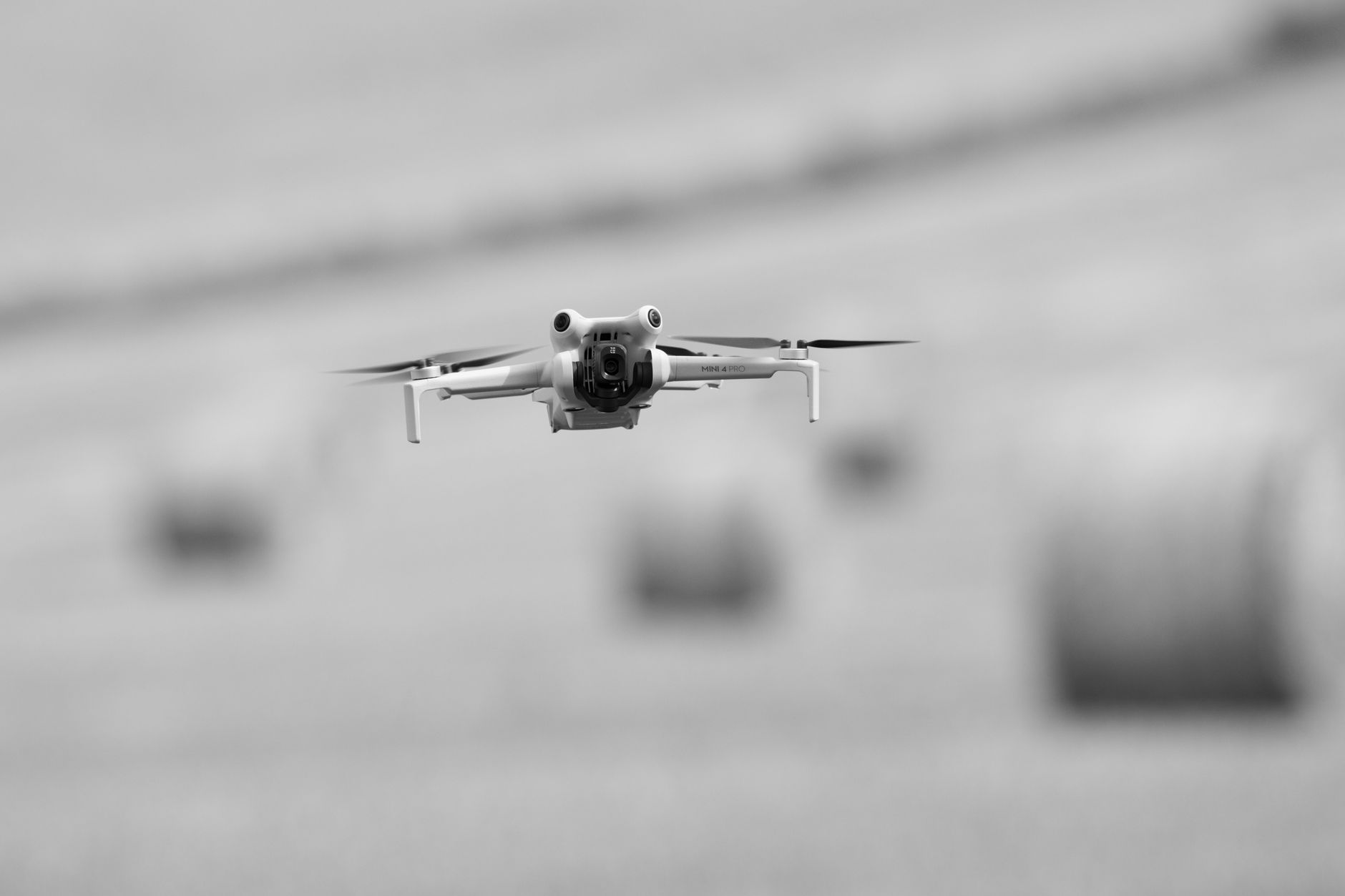
DJI Mini 4K is the drone most beginners should buy in 2026. It costs $299 and weighs 249 grams. You get a 1/2.3-inch CMOS sensor that shoots 4K at 30fps. The three-axis gimbal keeps footage smooth even in light wind. Single battery flight time is 31 minutes, which matches drones twice the price.
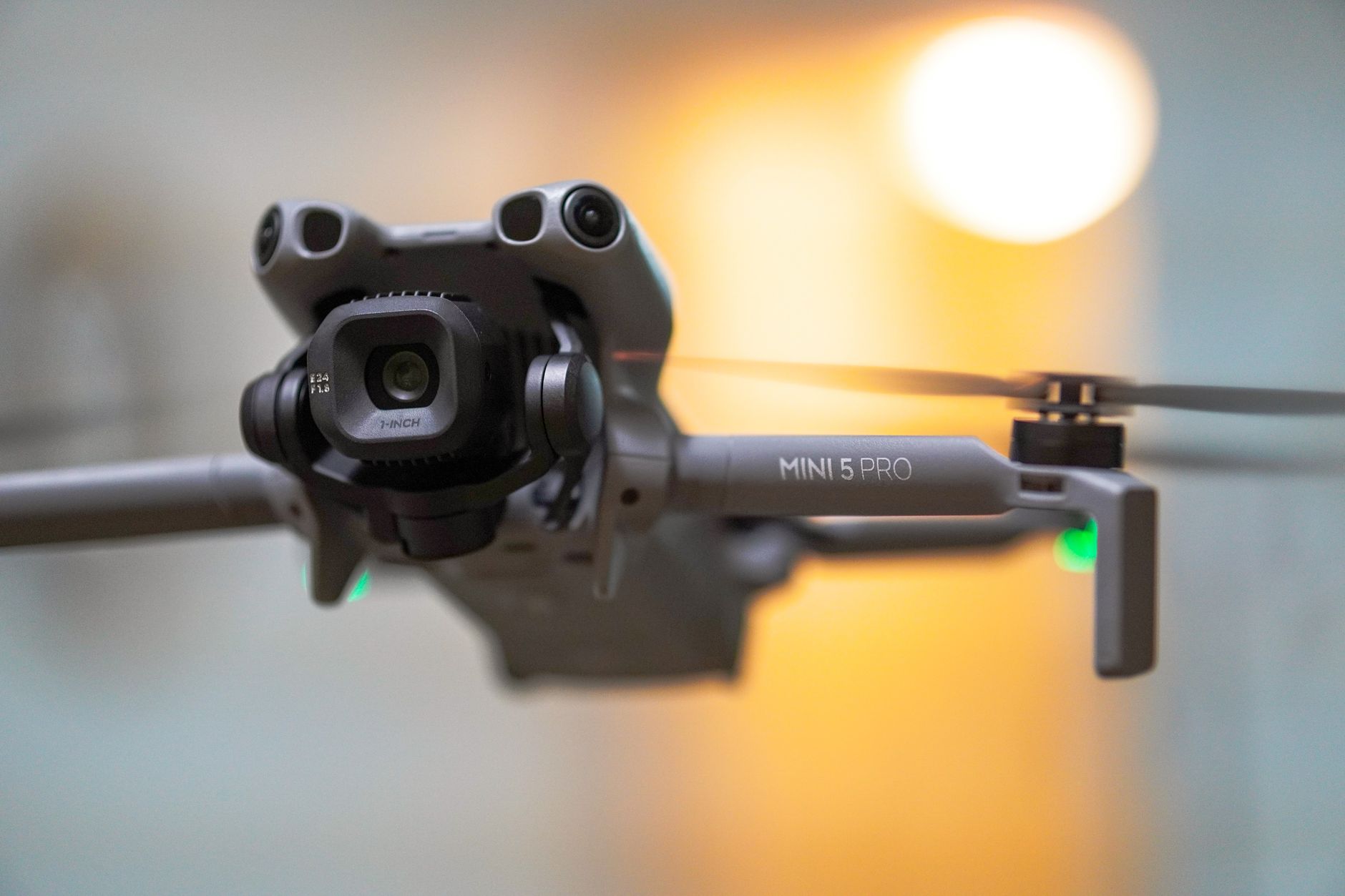
GPS return-to-home and DJI’s O2 transmission work out to 10 km. That range matters less than the reliability. New pilots crash less when the drone hovers precisely and returns on command. If you want to see how this compares to the more expensive Mini 5 Pro, read our DJI Mini 5 Pro review.
One honest downside: the Mini 4K lacks obstacle avoidance. You must learn to fly in open areas first. Check our how to fly a drone for beginners guide before your first flight. Also, DJI’s official specs are on DJI’s product page.
Key strengths:
- ✅ 249 gram takeoff weight skips FAA registration
- ✅ 31 minute flight time beats most budget rivals
- ✅ 4K camera with three-axis gimbal
- ✅ 10 km HD video transmission range
- ✅ GPS return-to-home adds safety
- ❌ No obstacle avoidance sensors
- ❌ Fixed f/2.8 aperture limits low light flexibility
- ❌ Spare batteries cost extra
Who it’s for: Beginners who want a reliable 4K drone with GPS safety features without registering with the FAA. Check the DJI Mini 4K on Amazon.
2. Potensic Atom , Best budget GPS drone under $300
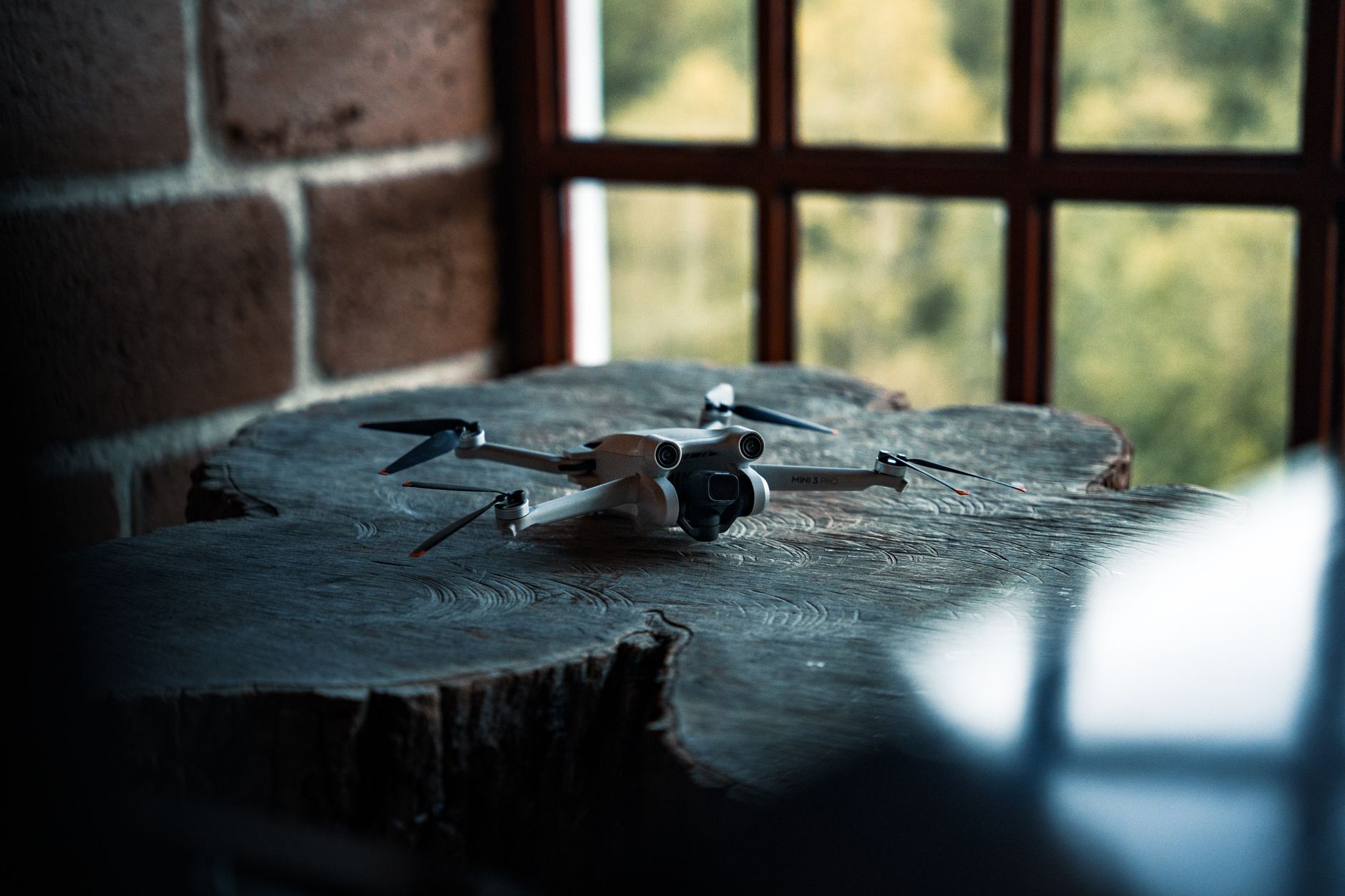
Potensic Atom is the strongest DJI alternative under $300. It weighs 249 grams and flies up to 32 minutes per battery. The 4K camera sits on a three-axis gimbal, and the 1/2.3-inch sensor records at 30fps. For $269, that spec sheet is hard to beat.
Range reaches 6 km with Potensic’s PixSync 2.0 transmission. The drone also supports GPS return-to-home and level 5 wind resistance. New pilots get a safety net without paying DJI prices. If you want more affordable options, check best drones under $200.
Battery life drops in cold weather, so read our drone battery care guide to protect cells. The Atom’s app can feel less refined than DJI Fly, but it is stable enough for beginners. No obstacle avoidance here either.
Key strengths:
- ✅ 32 minute flight time at a budget price
- ✅ 249 gram weight avoids FAA registration
- ✅ 4K camera with three-axis mechanical gimbal
- ✅ 6 km video transmission range
- ✅ Cheaper spare batteries than DJI
- ❌ App experience less polished than DJI Fly
- ❌ No obstacle avoidance sensors
- ❌ Customer support can be slower
Who it’s for: Price-conscious beginners who want GPS and 4K without paying the DJI premium. Check the Potensic Atom on Amazon.
3. Holy Stone HS720R , Best for included spare batteries
Holy Stone HS720R tempts buyers with two batteries in the box. Each battery lasts 26 minutes, so you get about 52 minutes of total flight time. The camera shoots 4K with electronic image stabilization. At $249, it undercuts DJI but brings a tradeoff.
It weighs 525 grams. That pushes you past the FAA’s 250-gram threshold, so you must register the drone and pass the free TRUST test. Check our drone laws in the USA before buying. The remote uses a phone mount rather than a built-in screen.
Range is rated at 1 km, but real-world signal quality is shorter around trees or buildings. The EIS works okay in calm air but cannot match a mechanical gimbal. Still, this is a solid first GPS drone if you want extra batteries included and do not mind registration.
Key strengths:
- ✅ Two batteries included doubles total flight time
- ✅ 4K camera with electronic stabilization
- ✅ GPS return-to-home available
- ✅ Lower price than comparable DJI models
- ❌ Weighs 525 grams so FAA registration is required
- ❌ Electronic stabilization not as smooth as gimbal
- ❌ 1 km range limits open flying
Who it’s for: Beginners who want two batteries and GPS features for under $250 and are willing to register with the FAA.
4. BetaFPV Cetus X FPV Kit , Best beginner FPV drone kit
BetaFPV Cetus X FPV Kit is the smart way to learn first-person view flying. It costs $289 and includes the 55-gram drone, FPV goggles, and a radio controller. Flights last about 5 minutes per battery, so buy extra packs. This is not a camera drone. It is a trainer.
The drone records 1080p at 60fps, but the point is flying through goggles, not cinematic footage. It has turtle mode, self-leveling modes, and crash-resistant ducts. New pilots can bounce off walls and keep flying. For more FPV options, see our best FPV drones guide.
FPV flying has a steeper learning curve than GPS camera drones. You should start in an open field and use the simulator feature. The FAA’s recreational flyer rules still apply even to tiny drones, so take the free TRUST test if you fly outdoors.
Key strengths:
- ✅ Complete FPV kit with goggles and radio included
- ✅ Durable ducted frame survives beginner crashes
- ✅ Turtle mode flips the drone upright after crashes
- ✅ Weighs only 55 grams, no FAA registration
- ❌ 5 minute flight time per battery
- ❌ 1080p camera is not for cinematic footage
- ❌ Windy outdoor flights are difficult
Who it’s for: Beginners who want to learn FPV flying with a crash-friendly kit before buying a larger quad.
5. Ryze Tello , Best indoor beginner drone under $100
Ryze Tello remains the best sub-$100 starter drone in 2026. It weighs 80 grams and flies for about 13 minutes on a removable battery. The 5 MP camera shoots 720p video, which looks fine indoors but soft outdoors. At $99, it is a low-risk way to learn basic controls.
Tello uses DJI flight tech and works with a smartphone app. It has no GPS, so you must control it manually indoors or on calm days. The range is about 100 meters. That is enough for a living room or backyard. Check best drones under $100 for more budget picks.
One big advantage: Tello supports Scratch programming. Kids and adults can code simple flight patterns. If you want a first drone for a child, compare it with our best drones for kids list. The camera is not stabilized, so footage shakes in any breeze.
Key strengths:
- ✅ $99 price is beginner friendly
- ✅ 13 minute flight time beats most micro drones
- ✅ Programmable with Scratch
- ✅ Durable lightweight frame
- ❌ No GPS or return-to-home
- ❌ 720p camera with no gimbal
- ❌ Outdoor flights struggle in wind
Who it’s for: First-time pilots and kids who want an indoor trainer before spending hundreds on a GPS drone.
Frequently Asked Questions
Do I need to register a beginner drone with the FAA?
Only if the drone weighs 250 grams or more. Most beginner drones like the DJI Mini 4K and Potensic Atom weigh 249 grams and skip registration. You still need to pass the free TRUST test for recreational flying.
What is the best beginner drone with a camera under $300?
The DJI Mini 4K is the best camera drone under $300 in 2026. It shoots 4K at 30fps from a 1/2.3-inch sensor and has GPS return-to-home.
Are FPV drones good for beginners?
Yes if you buy a kit like the BetaFPV Cetus X. It includes goggles and a radio, and the ducted frame survives crashes. Start in self-leveling mode before acro.
How long do beginner drone batteries last?
Most GPS camera drones fly 26 to 32 minutes per battery. Micro drones like the Ryze Tello last about 13 minutes. FPV drones often last 5 to 6 minutes.
Can I fly a beginner drone in Canada?
Yes, but Canadian rules depend on weight and license. Check our drone laws in Canada article for details. Drones under 250 grams have fewer restrictions but still must be flown safely.
Do I need a license to fly a beginner drone?
In the USA, recreational pilots need the free FAA TRUST certificate, not a Part 107 license. A Part 107 license is only required for commercial work.
What Should You Remember?
- Sub-250 gram drones skip FAA registration in the USA.
- DJI Mini 4K is the best overall beginner camera drone at $299.
- Potensic Atom delivers 32 minute flights and 4K for $269.
- FPV training needs a crash-friendly kit like BetaFPV Cetus X.
- Battery care extends flight time, especially in cold weather.
- Holy Stone HS720R includes two batteries but requires registration over 250 grams.
- TRUST test is required for all recreational flyers in the USA.
This article is for general information only. Drone regulations vary by region and change frequently — always verify current local laws and airspace rules before flying.