Canada has one of the clearest drone legal frameworks in North America. Transport Canada sets the rules under Part IX of the Canadian Aviation Regulations. The rules cover every remotely piloted aircraft system from tiny toy drones to commercial platforms. If you are new to drones, the system can feel heavy at first. But once you know your weight class and operation type, most legal flying is straightforward. This guide explains the 2026 rules for registration, certification, airspace, and fines. We also compare a few points to the FAA approach in the United States.
Transport Canada does not require a license for every small drone. Many popular consumer drones weigh under 250 grams and avoid registration. But larger drones and commercial work bring more duties. You must choose between basic and advanced operations before you fly. Each tier has different pilot certificate and airspace rules. Fines are not theoretical. Enforcement has increased at airports, parks, and events. This article shows you how to stay legal and avoid a costly mistake. Remember to check for local bylaws too. Provinces and municipalities may add restrictions on top of federal law. Always confirm current rules before each flight.
For pilots who plan to fly in Canada with a drone purchased from DJI or another brand, the same federal rules apply. Your drone’s built in geo fencing does not override Transport Canada law. You are responsible for every flight. If you need product help, our best DJI drones compared guide can help you pick a model that fits Canadian weight classes. Now let’s break down the law step by step. A micro drone under 250 grams is the easiest path for casual flying. Heavier models require registration and a pilot certificate before takeoff. This rule applies whether you fly for fun, travel, or commercial work.
| Requirement | Basic Operations | Advanced Operations |
|---|---|---|
| Pilot certificate | Basic online exam ($10) | Advanced online exam plus flight review |
| Airspace | Uncontrolled airspace only | Controlled airspace with authorization |
| Distance from bystanders | At least 30 metres | Can be closer under specific rules |
| Night flying | Not permitted | Permitted with approved lights |
| Registration | Required for drones over 250 g | Required for drones over 250 g |
What Are Transport Canada’s Basic Drone Rules for 2026?
Transport Canada splits drones by weight. Drones that weigh 250 grams or less are micro drones. They do not need registration or a pilot certificate for most recreational flights. You still must fly safely and avoid restricted airspace. Drones over 250 grams and up to 25 kilograms fall under the main remotely piloted aircraft rules. That covers many popular camera drones. The exact rules are on the Transport Canada drone safety page.
All pilots must keep the drone below 122 metres or 400 feet above ground. You must stay at least 30 metres away from bystanders during basic operations. You must avoid advertised events unless you have a special flight operations certificate. You cannot fly near airports, heliports, or controlled airspace without permission. You must always keep the drone in visual line of sight. That means no flying behind buildings or trees. You must give way to crewed aircraft at all times.
The 250 gram threshold matters for consumer buying decisions. Many beginners choose sub-250 gram drones to avoid registration. Our best drones for beginners guide highlights models that fit this class. If you buy a heavier drone, you need to register it before the first flight. This rule has been stable for years and remains in place for 2026.
- Keep your drone below 122 metres above ground.
- Stay at least 30 metres away from bystanders.
- Maintain visual line of sight at all times.
- Avoid airports and controlled airspace without authorization.
- Never fly over emergency scenes or forest fires.
How Does Drone Registration Work in Canada?
Any drone between 250 grams and 25 kilograms must be registered with Transport Canada before its first outdoor flight. Registration costs $5 per drone and remains valid for three years. You will receive a registration number that must be visible on the drone. You can put the number on a sticker, label, or in the battery compartment. The drone must be registered to the owner, not the pilot. If you fly someone else’s drone, you still need your own pilot certificate.
To register, create a Transport Canada Drone Management Portal account. You need to provide your name, address, and drone details. The online process takes about 10 minutes. After you register, you must attach the registration number before flying. Many pilots use a label maker or permanent marker. Keeping the number legible is a legal requirement. Police and inspectors check this detail often.
Registration is not the same as a pilot certificate. If you fly a registered drone for fun, you need at least the basic pilot certificate. If you fly for advanced operations, you need the advanced certificate. Our how to get a drone license article explains the exam and flight review steps. In comparison, the FAA in the United States requires registration for recreational drones over 250 grams and a TRUST certificate for fun flights. You can review the FAA rules for more details.
Transport Canada reported over 74,000 registered drones in 2022. Cheaper camera drones and commercial adoption have pushed that number higher since. More registered drones mean more enforcement attention. Register early and keep your certificate current.
What Is the Difference Between Basic and Advanced Operations?
Basic operations are designed for recreational pilots and low risk commercial work. You need a basic pilot certificate, which requires passing a small online exam. The exam costs about $10. You must fly in uncontrolled airspace. You must keep at least 30 metres horizontal distance from bystanders. You cannot fly directly over people. You also need to stay away from certified airports and heliports by the required distances.
Advanced operations allow more complex flights. You need an advanced pilot certificate. That requires passing the advanced online exam and completing a flight review with an approved reviewer. Advanced pilots can request permission to fly in controlled airspace through NAV CANADA. They can also fly closer than 30 metres from bystanders under specific rules. Night flights are permitted with approved lighting. This path is common for commercial pilots and real estate photographers.
For most hobby pilots, the basic certificate is enough. But if you want to photograph real estate in controlled airspace, you need advanced. Our best drones for aerial photography roundup includes models that work well for both basic and advanced missions. Always match your certificate to the flight you actually plan to do.
- Basic operations: uncontrolled airspace only and online exam.
- Advanced operations: controlled airspace with authorization and flight review.
- Basic: stay at least 30 metres from bystanders.
- Advanced: can fly closer under specific rules.
- Basic: no night flying.
- Advanced: night flying allowed with approved lights.
What Are the Fines and Penalties for Breaking Drone Laws?
Penalties in Canada are not a small administrative fee. Transport Canada can issue fines up to $3,000 for an individual who breaks key rules. That includes flying an unregistered drone over 250 grams or operating without a valid pilot certificate. Corporations can face fines up to $15,000 per violation. These numbers come from the Aeronautics Act and remain in force in 2026.
Specific violations attract different penalties. Flying in a no fly zone near an airport can trigger a $3,000 fine for an individual. Flying over emergency scenes or forest fires is heavily enforced because drones can ground rescue aircraft. You could also lose your drone to confiscation. Repeat violations or reckless behavior that endangers aircraft can lead to criminal charges under the Criminal Code. That could mean large fines or jail time.
Transport Canada inspectors and local police can enforce these rules. They do not need to see the drone in the air to issue a fine. Online videos and social media posts have been used as evidence. In 2022, enforcement teams issued hundreds of fines for drones near airports and restricted events. If you compare rules, our drone laws in the USA guide shows how FAA penalties differ.
Where Can You Legally Fly a Drone in Canada?
Legal flying starts with airspace research. Canada is not one giant no fly zone, but urban areas and airports create restricted zones. Use the NAV CANADA Drone Site Selection Tool or a Transport Canada approved app. The map shows controlled airspace, aerodromes, and other restrictions. In uncontrolled rural areas, basic operations are often straightforward. In cities like Toronto or Vancouver, you will likely need advanced authorization for most outdoor flights.
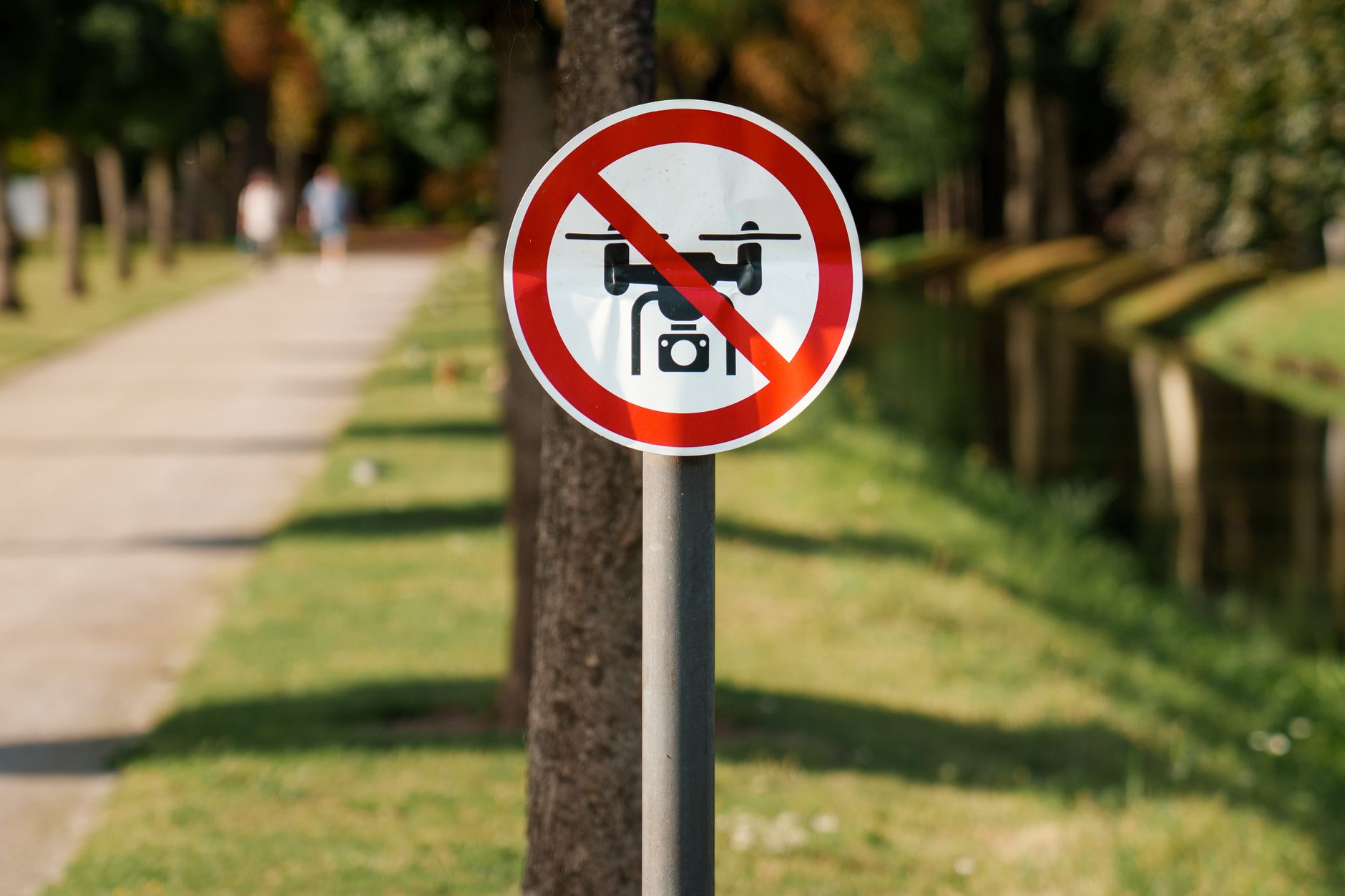
Many national parks prohibit drones. Parks Canada restricts takeoff and landing in most national parks to protect wildlife and visitor experience. Provincial parks have their own rules. Some allow drones only in designated areas. Always check local bylaws before you drive to a scenic location. Our best travel drones 2026 guide includes lightweight models that are easier to pack and often fall under the micro drone class.
Foreign visitors must follow the same Canadian rules. US residents who pass the FAA TRUST test cannot use that certificate in Canada. They need a Canadian pilot certificate for basic or advanced operations. For product specs and battery limits, check the official DJI site or your drone maker. When in doubt, ask a local drone school or consult Transport Canada.
Frequently Asked Questions
Do I need a license to fly a drone under 250 grams in Canada?
No. Micro drones under 250 grams do not require registration or a pilot certificate for most recreational flights. You still must fly safely and avoid restricted airspace.
How much does it cost to register a drone in Canada?
Registering a drone costs $5 per drone and is valid for three years. The basic pilot certificate exam costs about $10 online.
Can I fly a drone in a Canadian national park?
Most national parks prohibit drone takeoff and landing to protect wildlife and visitors. Check Parks Canada rules for the specific park before flying.
What is the maximum fine for flying a drone illegally in Canada?
Transport Canada can fine individuals up to $3,000 per violation. Corporations can face fines up to $15,000. Serious cases can lead to criminal charges.
Do US drone rules apply if I visit Canada?
No. Canada requires Canadian registration and pilot certificates. The FAA TRUST certificate does not transfer to Canadian airspace.
Is night flying allowed under Transport Canada rules?
Night flying is allowed for advanced operations if you have an advanced pilot certificate and your drone has approved lighting that lets you see it and maintain orientation.
What Should You Remember?
- Register every drone over 250 grams before your first flight.
- Pass the basic or advanced pilot exam for your operation type.
- Keep your drone below 122 metres and within visual line of sight.
- Stay at least 30 metres away from bystanders in basic operations.
- Check airspace maps before every flight in Canada.
- Treat fines seriously: individuals risk $3,000 per violation.
- Do not assume US FAA rules apply in Canada.
This article is for general information only. Drone regulations vary by region and change frequently — always verify current local laws and airspace rules before flying.