DJI enters 2026 with a crowded but clear lineup. The Mini 5 Pro leads the sub-250g class, the Air 3S handles serious travel and aerial photo work, and the Mavic 3 Pro still anchors the high end with its triple camera. We flew every current model that matters for real buyers, from the $199 DJI Neo up to the Mavic 3 Pro at around $2,199. This ranking considers camera quality, flight time, portability, obstacle avoidance, and price. It is not a list of specs. It is a list of what you should actually buy. For a straightforward side-by-side breakdown, check our best DJI drones compared guide. Official specs and current pricing are on DJI’s website.
Drone rules changed for many pilots recently. In the United States, the FAA’s drone registration rules require registration for any drone over 250 grams. Remote ID rules also apply to most drones flown outdoors, even some under 250g if used commercially. That makes weight a bigger buying factor than ever. The DJI Mini 5 Pro and Mini 4K stay under 249g, which avoids registration for purely recreational flights in the US. But if you plan to sell footage, Part 107 certification still matters. Read our drone laws in the USA explainer before you choose. Canadian pilots should check Transport Canada’s drone safety rules for similar registration and license requirements.
Flight time is the most overrated spec in drone marketing. A DJI Air 3S can fly 45 minutes on paper, but you will land earlier in wind, cold, or when shooting high-resolution video. Battery care changes that number over time. We factored in real-world runtime, not just manufacturer maximums. Camera sensor size matters more for image quality than megapixels. The Mavic 3 Pro has a Four Thirds sensor that outperforms the Mini 5 Pro’s 1-inch sensor in low light. Learn basic controls and airspace awareness before you spend. Protect your batteries too, because they degrade faster than most pilots expect.
Accessories also decide how useful a drone becomes. Extra batteries, ND filters, and a hard case turn a good drone into a reliable tool. That matters because DJI bundles vary wildly. A basic kit may include one battery and no charger. A Fly More combo adds two extra batteries, a charging hub, and a shoulder bag. For travel, the Mini 5 Pro and Air 3S fold down small enough for a camera cube. For FPV, the Avata 2 requires goggles and a motion controller. Our ranking below moves from the best all-around pick to niche options that still earn a spot.
How Do the Top Options Compare?
| Rank | Drone | Best For | Flight Time | Camera | Weight | Price Range |
|---|---|---|---|---|---|---|
| 1 | DJI Mini 5 Pro | Best overall | 45 min | 1-inch 48MP | 249 g | $999-$1,199 |
| 2 | DJI Mavic 3 Pro | Best image quality | 43 min | Four Thirds triple | 958 g | $2,199-$3,499 |
| 3 | DJI Air 3S | Best for travel and photo | 45 min | 1-inch dual | 724 g | $1,099-$1,599 |
| 4 | DJI Avata 2 | Best FPV | 23 min | 1/1.3-inch | 377 g | $999-$1,299 |
| 5 | DJI Mini 4K | Best budget beginner | 31 min | 1/2.3-inch 12MP | 249 g | $299 |
| 6 | DJI Neo | Best indoor and kids | 18 min | 1/2-inch 12MP | 135 g | $199 |
Flight times are manufacturer maximums. Real-world runtimes vary with wind, payload, and camera settings. Prices are USD starting ranges and may change. Always check local drone laws before flying.
1. DJI Mini 5 Pro , Best Overall DJI Drone
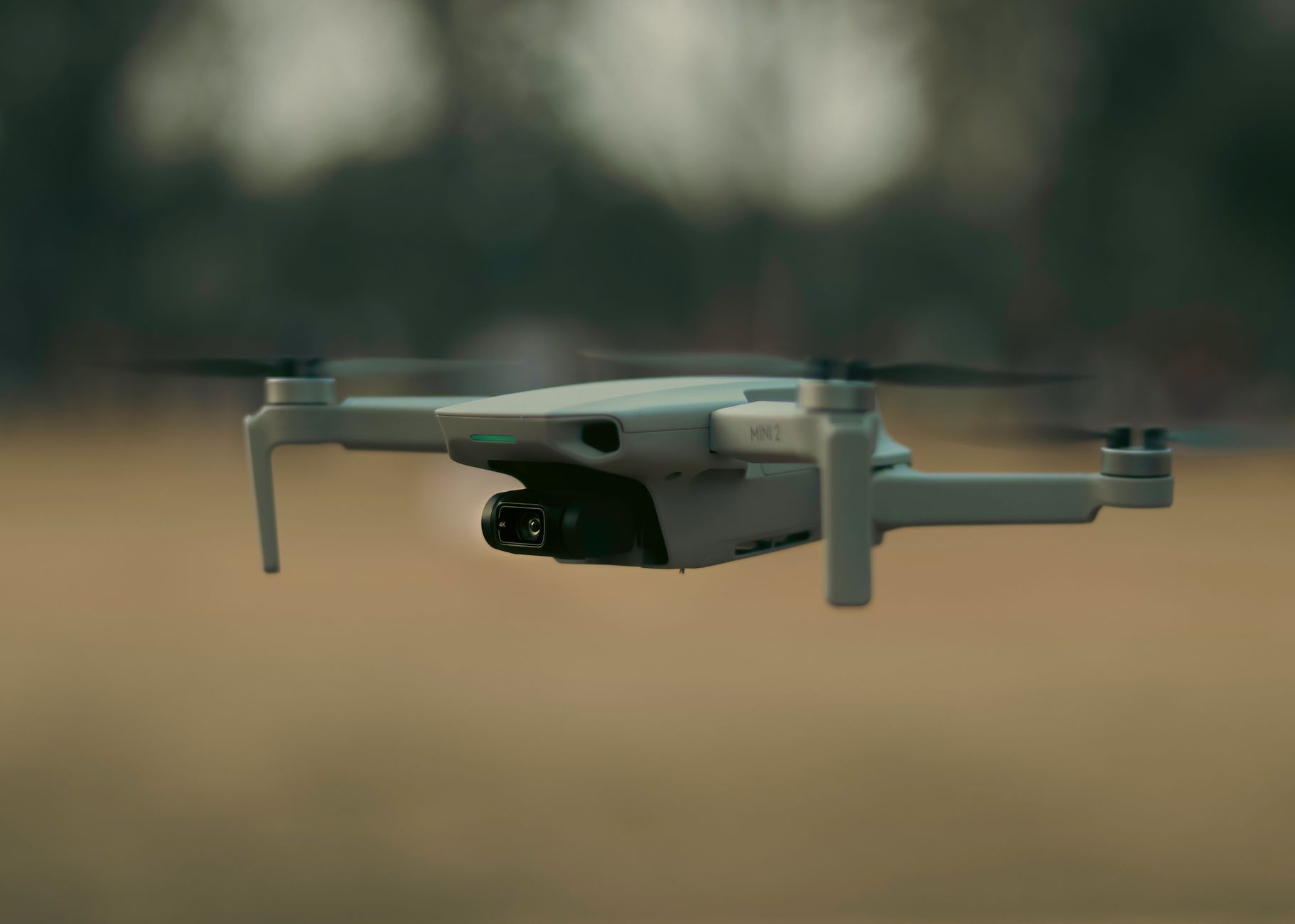
The Mini 5 Pro is the drone most people should buy in 2026. It weighs 249 grams, so it avoids FAA registration for recreational flying in the US. The 1-inch 48MP sensor gives you real low-light headroom, and the gimbal shoots 4K at 60fps with 10-bit D-Log M color. You get omnidirectional obstacle avoidance, which is rare in a sub-250g drone. That combination is why it tops this ranking. Flight time is 45 minutes on a single battery in ideal conditions. Real-world flights with wind and active tracking usually land at 32 to 35 minutes. The O4 video transmission keeps the feed crisp up to about 20 km in open areas. For a deeper hands-on look, read our DJI Mini 5 Pro review. The main downside is price. The standard kit starts around $999, and the Fly More combo with the RC 2 controller pushes past $1,300. That is a lot for a mini drone. But it beats the Air 3S on portability while keeping most of its camera power. If you want one drone for the next three years, this is it. Check the DJI Mini 5 Pro on Amazon.
Key strengths:
- ✅ Weighs 249 g, so recreational registration is not required in the US
- ✅ 1-inch 48MP sensor delivers strong 4K 60fps footage
- ✅ Omnidirectional obstacle avoidance keeps flights safer
- ✅ 45-minute maximum flight time, real-world 32 to 35 minutes
- ✅ O4 transmission reaches roughly 20 km in open areas
- ❌ Price starts around $999, and the Fly More combo is much higher
- ❌ No built-in display on the standard remote
- ❌ Smaller sensor than the Mavic 3 Pro for low-light work
Who it’s for: Choose the Mini 5 Pro if you want one portable drone that handles travel, social content, and serious stills.
2. DJI Mavic 3 Pro , Best Image Quality
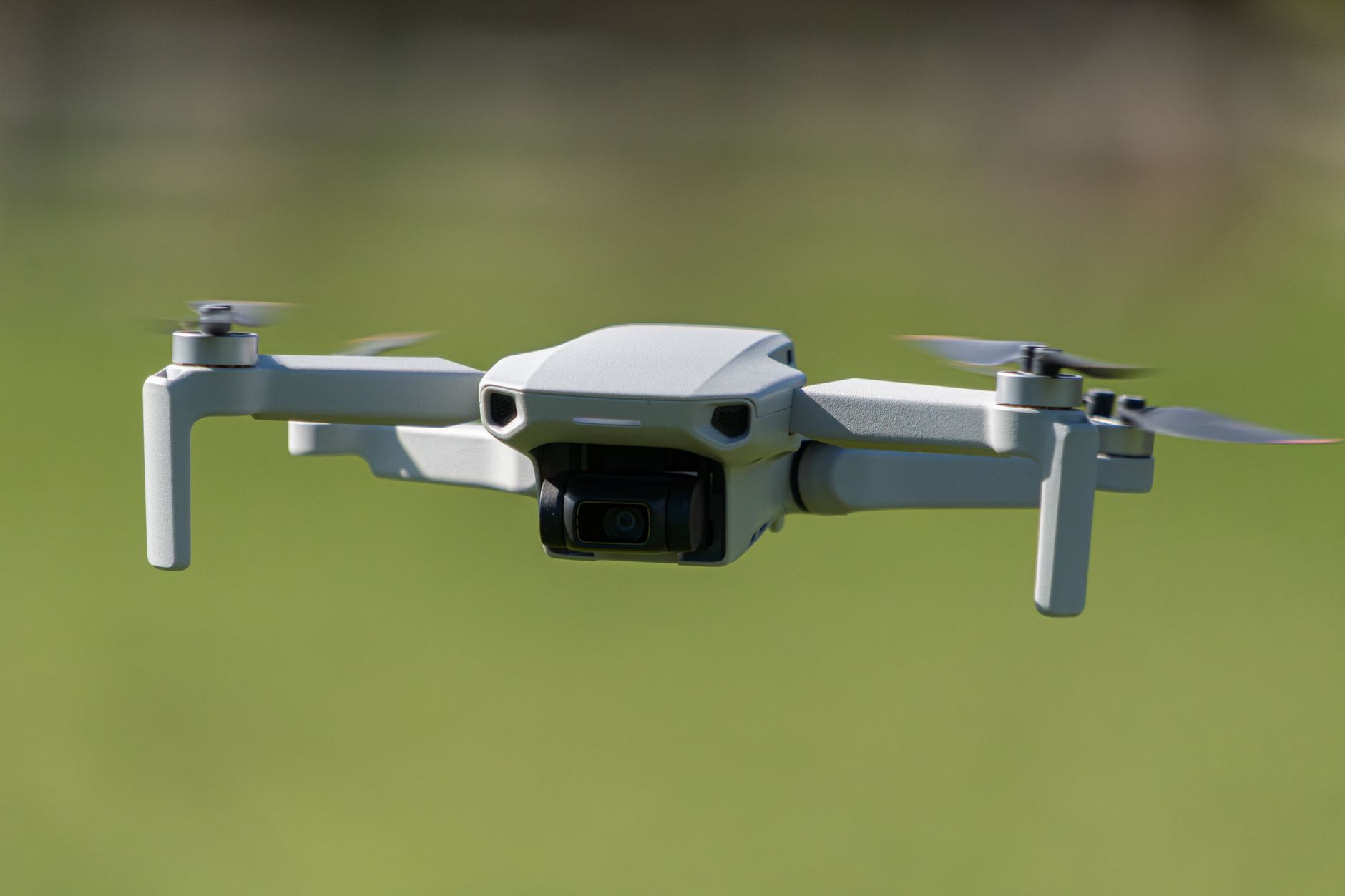
The Mavic 3 Pro is still DJI’s flagship for photographers and filmmakers in 2026. Its Hasselblad main camera uses a Four Thirds sensor, which is about twice the area of the Mini 5 Pro’s 1-inch sensor. The triple camera system adds a 70mm medium tele and a 166mm telephoto. That gives you three focal lengths without changing drones. It is heavy at 958 grams, so registration is required in the US. Flight time reaches 43 minutes on one battery. In real shoots, expect 30 to 35 minutes because the extra lenses and larger gimbal draw power. The O3+ system streams 1080p video from up to 15 km. The downside is obvious. It starts at $2,199 and fully loaded kits exceed $3,500. It also demands more space and care than a mini drone. New pilots will find it intimidating. But if you need the best DJI image quality today, nothing else in this lineup matches the Four Thirds sensor and triple camera. Check the DJI Mavic 3 Pro on Amazon.
Key strengths:
- ✅ Four Thirds Hasselblad sensor captures excellent dynamic range
- ✅ Triple camera covers wide, medium tele, and telephoto
- ✅ 43-minute maximum flight time
- ✅ O3+ transmission feeds 1080p video up to 15 km
- ❌ Heavy at 958 g and requires FAA registration
- ❌ Starts at $2,199, with full kits above $3,500
- ❌ Overkill for casual or beginner pilots
Who it’s for: Choose the Mavic 3 Pro if you shoot paid photo or video work and need multiple focal lengths.
3. DJI Air 3S , Best for Travel and Advanced Hobbyists
The Air 3S sits between the Mini 5 Pro and Mavic 3 Pro. It weighs 724 grams and packs dual cameras: a 1-inch CMOS wide lens and a 1/1.3-inch 70mm medium tele. That dual setup is rare at this size. You get 10-bit D-Log M and omnidirectional obstacle avoidance, same as the Mini 5 Pro but with more wind resistance. It is the best DJI option for photographers who want telephoto compression without paying Mavic 3 Pro prices. Battery life is 45 minutes maximum. Realistic flight time is 33 to 38 minutes in calm conditions, which is slightly better than expected because the larger airframe handles wind well. The O4 video link reaches about 20 km. At $1,099 to $1,599 depending on kit, the Air 3S is not cheap. It also crosses the 250g threshold, so you must register it in the US and Canada. That adds a small but real ownership step. Still, for image quality and flight stability per dollar, it may be the smartest drone in the current lineup. Check the DJI Air 3S on Amazon.
Key strengths:
- ✅ Dual 1-inch and 70mm cameras give framing flexibility
- ✅ 45-minute maximum flight, real-world 33 to 38 minutes
- ✅ Omnidirectional obstacle avoidance and strong wind resistance
- ✅ O4 transmission reaches about 20 km
- ❌ Weighs 724 g, so registration is required
- ❌ Costs $1,099 to $1,599
- ❌ Lacks the larger Four Thirds sensor of the Mavic 3 Pro
Who it’s for: Choose the Air 3S if you want pro-level dual cameras without Mavic 3 Pro bulk or price.
4. DJI Avata 2 , Best FPV Drone
The Avata 2 is DJI’s best ready-to-fly FPV drone for 2026. It weighs 377 grams and captures 4K at 60fps from a 1/1.3-inch sensor with a 155-degree field of view. The motion controller and Goggles 3 make it far easier than building a custom FPV quad. You can fly through gaps, dive buildings, and get shots that a standard camera drone cannot. There is a real tradeoff. Flight time is 23 minutes maximum, and aggressive FPV flights often end at 10 to 14 minutes. The camera is not stabilized by a 3-axis gimbal like the Mini 5 Pro. It uses RockSteady electronic stabilization, which is great for motion but worse for slow, locked-off aerial shots. If FPV is your goal, read our best FPV drones guide before buying. You also need the goggles. That makes the $999 starting price just the beginning. A full kit with the motion controller runs $1,299 or more. The Avata 2 is niche. For most people, the Mini 5 Pro or Air 3S makes more sense. But for immersive flying, nothing else from DJI comes close.
Key strengths:
- ✅ Immersive FPV flight with Goggles 3
- ✅ 4K 60fps from a 1/1.3-inch sensor
- ✅ 377 g weight keeps it compact
- ✅ Ready-to-fly kit requires no building
- ❌ 23-minute maximum flight, real-world 10 to 14 minutes in FPV
- ❌ No 3-axis gimbal for slow cinematic shots
- ❌ Full kit with goggles costs $1,299 or more
Who it’s for: Choose the Avata 2 if you want an easy entry into FPV flying and immersive video.
5. DJI Mini 4K , Best Budget Beginner Drone
The DJI Mini 4K remains the best budget beginner drone in 2026. It weighs 249 grams, so recreational pilots in the US avoid registration. The 1/2.3-inch sensor shoots 4K at 30fps, which is enough for sharp social clips and casual YouTube uploads. It lacks obstacle avoidance, so you need open space and careful control. That is not a flaw at this price. It forces good habits. Flight time is 31 minutes maximum. In typical flights, expect 22 to 26 minutes. The range is about 10 km with DJI’s older O2 transmission. It is not as robust as O4, but it works fine for line-of-sight flying. Beginners should pair it with our best drones for beginners guide. If you crash a lot, it is much cheaper to repair than a Mini 5 Pro. At $299, the Mini 4K is the same price as many toy drones with far worse cameras. The downside is the fixed f/2.8 aperture and small sensor. Low light is poor, and 4K at 30fps has no 60fps option. But for a first real drone, the value is outstanding. It also stays under 250g, which is a big legal advantage in both the US and Canada.
Key strengths:
- ✅ Weighs 249 g, avoiding recreational registration in the US
- ✅ 4K 30fps camera at a $299 price point
- ✅ 31-minute maximum flight, real-world 22 to 26 minutes
- ✅ Simple controls for first-time pilots
- ❌ No obstacle avoidance sensors
- ❌ 1/2.3-inch sensor struggles in low light
- ❌ No 4K 60fps option
Who it’s for: Choose the Mini 4K if you are learning to fly and want a legitimate camera drone under $300.
6. DJI Neo , Best Indoor and Kids Drone
The DJI Neo is a 135-gram beginner drone that launches from your palm and flies safely indoors. It records 4K at 30fps from a 1/2-inch sensor, but it has no 3-axis gimbal. The camera uses a single-axis stabilizer and electronic stabilization. That is fine for casual clips and not fine for cinematic work. It is the cheapest DJI drone at $199, which makes it a popular gift. Flight time is 18 minutes maximum, often closer to 10 to 12 minutes in real use. The Neo has full prop guards and can be flown without a remote using the DJI Fly app. Kids and new pilots can launch it from a hand and let it follow a subject. For more recommendations in this price range, see our best drones under 200 guide. The limitations are clear. It has no obstacle avoidance except downward sensors. Wind above 10 mph pushes it around. It also uses fixed focus, so close subjects can be soft. But as a first drone or an indoor content tool, the Neo earns its spot. Just do not expect Mini 4K image quality.
Key strengths:
- ✅ Weighs only 135 g and is safe indoors
- ✅ Launches from your palm without a remote
- ✅ Costs just $199
- ✅ Full prop guards reduce crash damage
- ❌ 18-minute maximum flight, often 10 to 12 minutes real world
- ❌ No 3-axis gimbal and fixed focus
- ❌ Poor wind resistance above 10 mph
Who it’s for: Choose the Neo if you want an ultra-cheap indoor drone or a safe first drone for kids.
Frequently Asked Questions
What is the best DJI drone for most people in 2026?
The DJI Mini 5 Pro is the best all-around choice. It weighs under 249 grams, shoots 4K 60fps on a 1-inch sensor, flies up to 45 minutes, and has omnidirectional obstacle avoidance. Most buyers will not outgrow it within three years.
Do I need to register my DJI drone with the FAA?
Any drone that weighs more than 250 grams must be registered for recreational or commercial use in the US. The Mini 5 Pro and Mini 4K weigh 249 grams, so they do not need registration for recreational flights. Commercial pilots still need Part 107 certification.
Which DJI drone has the longest flight time?
The Mini 5 Pro and Air 3S both advertise 45 minutes maximum. Real-world flight time is usually 32 to 38 minutes depending on wind and camera settings. The Mavic 3 Pro follows at 43 minutes but often lands earlier due to its heavier gimbal.
Is the DJI Avata 2 good for photos?
No. The Avata 2 is built for FPV video. It has a 1/1.3-inch sensor and electronic stabilization, not a 3-axis gimbal. Photos look fine for social media, but the Mini 5 Pro or Mavic 3 Pro are much better for still photography.
Should I buy a DJI drone in 2026 or wait for a new release?
The current lineup is mature. DJI typically refreshes the Mini and Air lines every 18 to 24 months. If you need a drone now, the Mini 5 Pro and Air 3S are safe buys. Waiting may only bring small camera or flight time upgrades.
Can I fly these drones in Canada without a license?
In Canada, drones over 250 grams require registration and a pilot certificate. Sub-250g drones like the Mini 5 Pro and Mini 4K do not need registration for most recreational flights, but you must still follow basic safety rules.
What Should You Remember?
- Best overall: The DJI Mini 5 Pro is the top pick for 2026 because of its 249g weight, 1-inch sensor, and 45-minute flight time.
- Budget pick: The DJI Mini 4K delivers 4K video for $299 and keeps you under FAA registration weight.
- Image king: The Mavic 3 Pro still leads with a Four Thirds sensor and triple camera system.
- FPV choice: The Avata 2 is the simplest ready-to-fly FPV drone, but it is not for still photos.
- Legal weight: Staying under 250g avoids recreational registration in the US, but commercial work still needs Part 107.
- Real-world runtime: Expect 10 to 15 percent less flight time than DJI’s maximum specs in normal conditions.
- Upgrade path: The Air 3S is the best step up from a mini drone without paying Mavic 3 Pro prices.
This article is for general information only. Drone regulations vary by region and change frequently — always verify current local laws and airspace rules before flying.