Aerial photography in 2026 is defined by bigger camera sensors in smaller bodies. You can now fly a 249-gram drone that captures 48MP stills and 4K HDR video while staying outside most registration rules. That is a huge shift from five years ago. If you are shopping for your first photo drone or upgrading from a Mini 2, you have real decisions to make. The FAA drone rules still require registration for any drone over 250 grams and Remote ID compliance for most operations. Our drone laws in the USA guide explains exactly what applies to recreational and commercial pilots. Check it before you buy.
We tested and compared five drones across price, sensor size, flight time, and real-world usability. Every drone on this list shoots in RAW stills and supports manual exposure. That matters for anyone who wants to edit seriously. A 1-inch sensor will outperform a 1/1.3-inch sensor in low light, but it adds weight. We weighed those tradeoffs against color grading workflows and battery longevity. Flight time now ranges from 28 minutes on a cinema platform to 45 minutes on a dual-camera midweight. That changes how many locations you can cover in one afternoon. Compare these models in our best DJI drones compared guide.
Canadian buyers face similar rules through drone laws in Canada. Drones under 250 grams need no registration for basic operations, but pilots still must follow airspace restrictions. Transport Canada’s drone safety rules spell out basic and advanced operations. If you plan to earn money from aerial photography, you need a Part 107 certificate in the US or an Advanced Operations certificate in Canada. We considered that barrier for commercial shooters. A hobbyist can start smaller, but a real estate photographer may need a Mavic 3 Pro or Inspire 3 anyway. Weight often decides which certification path you face.
How Do the Top Options Compare?
| Drone | Best For | Weight | Camera Sensor | Flight Time | Price |
|---|---|---|---|---|---|
| DJI Mini 5 Pro | Lightweight travel photography | 249 g | 1/1.3-inch 48MP | 40 min | $1,199 |
| DJI Air 3S | All-around dual-camera photography | 724 g | 1-inch 50MP plus tele | 45 min | $1,599 |
| DJI Mavic 3 Pro | Prosumer triple-camera stills | 958 g | 4/3 CMOS 20MP Hasselblad | 43 min | $2,999 |
| Autel EVO Lite+ | Non-DJI 1-inch sensor choice | 835 g | 1-inch 50MP | 40 min | $1,249 |
| DJI Inspire 3 | Commercial full-frame cinema | 3,995 g | Full-frame 8K Zenmuse X9 | 28 min | $16,499 |
Prices are manufacturer MSRPs in USD as of early 2026. Extra batteries, ND filters, and cases add cost.
1. DJI Mini 5 Pro , Best lightweight travel drone for photography
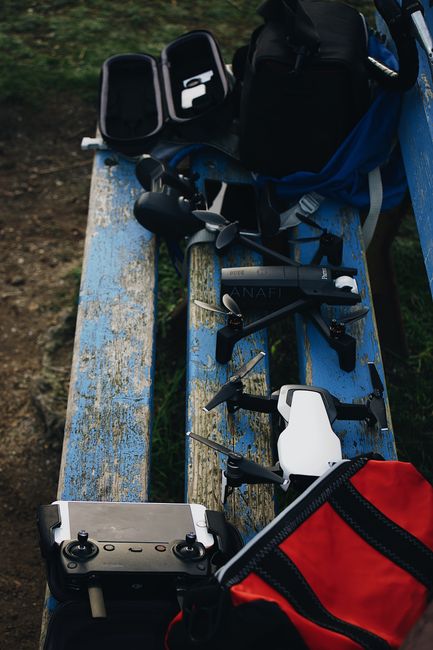
DJI Mini 5 Pro is the best pick for most people who want serious aerial photography without FAA registration. It weighs 249 grams, so you can fly it recreationally without registering in the United States. That also keeps it under the Transport Canada threshold for basic operations. The camera sensor is a 1/1.3-inch 48MP unit that shoots 4K HDR at 60fps. You lose some low-light performance compared with a 1-inch sensor, but the tradeoff is portability. Read our DJI Mini 5 Pro review for full image samples and flight tests.
Flight time reaches 40 minutes with the extended battery in ideal conditions. Real-world flying with wind and altitude changes usually lands around 32 to 34 minutes. That is still enough to scout multiple compositions. Obstacle sensing covers front, back, and below. The fixed f/1.7 aperture means you control exposure mostly through shutter speed and ISO. For travel and hiking, this drone fits in a jacket pocket.
Key strengths:
- ✅ Lightest option at 249 grams with no FAA registration required for recreational use
- ✅ 48MP stills and 4K HDR video from a 1/1.3-inch sensor
- ✅ 40-minute maximum flight time with extended battery
- ✅ Front, back, and down obstacle sensing
- ❌ Fixed aperture limits depth-of-field control
- ❌ Smaller sensor struggles more in low light than 1-inch rivals
- ❌ Price is high for a sub-250g drone
Who it’s for: Travelers and hikers who want a sub-250g drone that still captures sharp 48MP stills. Check the DJI Mini 5 Pro on Amazon.
2. DJI Air 3S , Best all-around dual-camera aerial photography drone
The DJI Air 3S is the middle child that does almost everything well. It weighs 724 grams, so it crosses the registration threshold in both the US and Canada. That is not a dealbreaker for most photographers, but it means registration and Remote ID apply. Its dual-camera system pairs a 1-inch 50MP wide camera with a 1/1.3-inch 48MP medium tele lens. That second camera opens up compressed landscape shots without moving the drone. This is the drone I recommend to people upgrading from a Mini series.
Flight time is rated at 45 minutes, which is better than many heavier drones. In real conditions expect 38 to 40 minutes. You also get omnidirectional obstacle avoidance, so flying backward or sideways feels less risky. The Air 3S supports D-Log M and HLG profiles for color grading. Add ND filters from our best drone accessories list to manage shutter speed on bright days. Check the DJI Air 3S on Amazon.
Key strengths:
- ✅ Dual-camera system adds 70mm telephoto compression
- ✅ 1-inch main sensor delivers strong low-light stills
- ✅ 45-minute max flight time leads its class
- ✅ Omnidirectional obstacle avoidance for safer reverse and side flying
- ❌ 724 grams requires registration in the US and Canada
- ❌ No adjustable aperture on the main camera
- ❌ Higher price than many entry-level photographers need
Who it’s for: Enthusiasts who want one drone that handles landscapes, portraits, and telephoto detail shots.
3. DJI Mavic 3 Pro , Best prosumer image quality with triple cameras
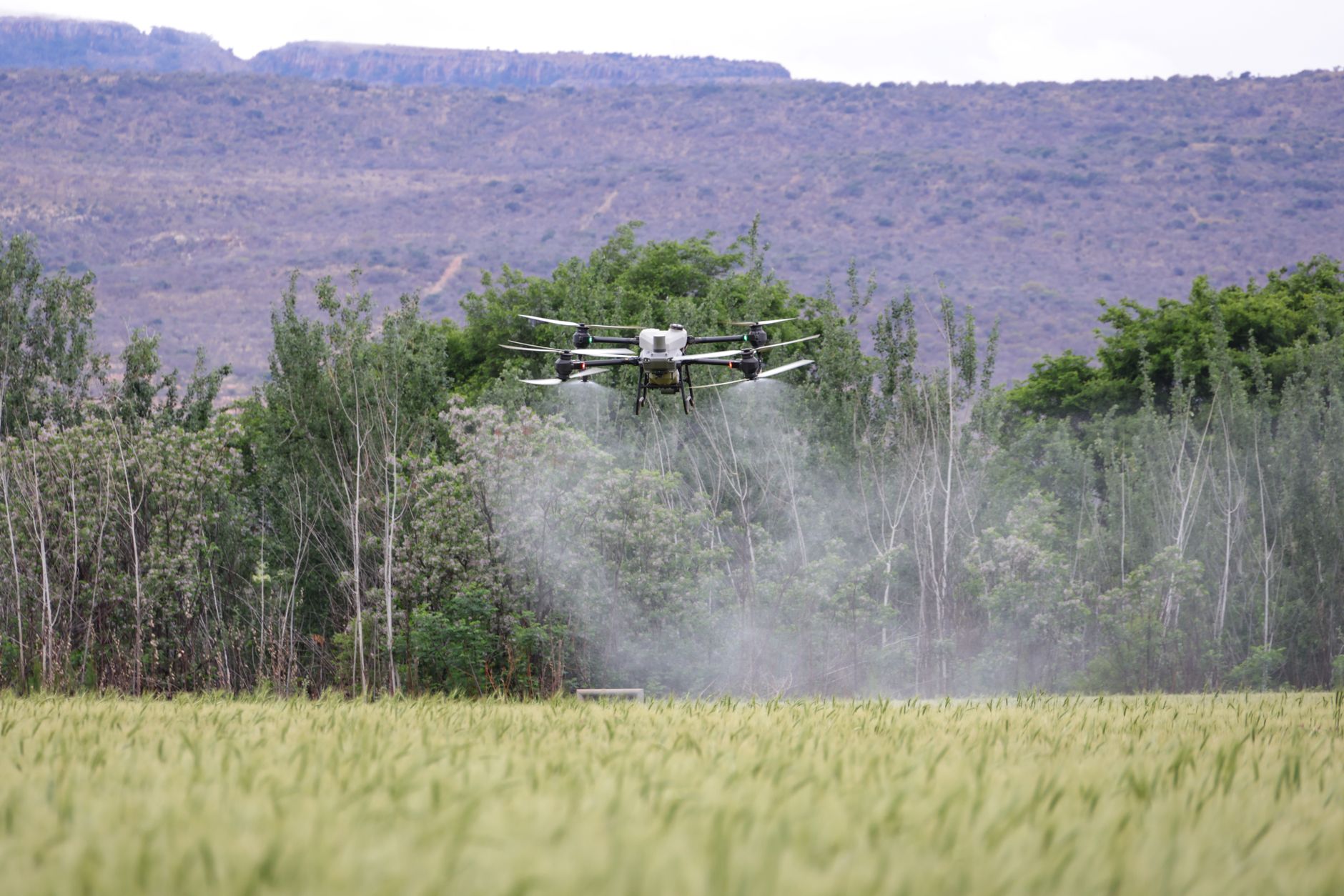
The DJI Mavic 3 Pro is still the stills king for prosumer aerial work in 2026. Its main camera uses a 4/3 CMOS Hasselblad sensor with 20MP resolution and an adjustable aperture from f/2.8 to f/11. That large sensor gives you cleaner low-light images and better dynamic range than the Air 3S or Mini 5 Pro. It also carries two tele cameras: a 70mm medium tele and a 166mm tele. You can frame compressed mountain layers or architectural details without cropping. Check the latest specs on DJI’s product page before buying.
Weight sits at 958 grams, so you will need to register the drone and comply with Remote ID in the US. Part 107 certification is required if you sell those images. Flight time is rated at 43 minutes, but the larger camera and extra weight usually deliver around 36 minutes in real use. This is not a travel-first drone. It is a production tool that rewards careful composition. The triple-camera setup eliminates lens swaps. That is the main reason working photographers choose it over smaller models. Check the DJI Mavic 3 Pro on Amazon.
Key strengths:
- ✅ 4/3 CMOS Hasselblad sensor with adjustable aperture
- ✅ Triple-camera system covers ultra-wide to telephoto
- ✅ 43-minute max flight time for a heavy sensor drone
- ✅ Excellent dynamic range for high-contrast landscape stills
- ❌ 958-gram weight plus required registration and Remote ID
- ❌ Expensive for hobbyists
- ❌ Bulkier travel kit than Mini or Air models
Who it’s for: Semi-pro and commercial photographers who need adjustable aperture and telephoto compression.
4. Autel EVO Lite+ , Best non-DJI 1-inch sensor photography drone
Autel EVO Lite+ is the strongest non-DJI pick for aerial photography. It carries a 1-inch 50MP sensor with an adjustable aperture from f/2.8 to f/11. That gives you more exposure control than the fixed-aperture DJI Mini 5 Pro or Air 3S. It records 6K video and captures RAW stills in DNG format. The 835-gram weight lands it firmly in registration territory. If you want to avoid DJI products but need pro-level stills, this is worth a close look. Our best DJI alternatives 2026 guide covers more options.
Flight time is rated at 40 minutes, real-world around 34 minutes. Range and transmission quality trail DJI slightly, and obstacle avoidance is less refined. Autel’s app includes manual camera controls, but third-party accessory support is thinner. You will not find as many ND filter kits or repair shops. That matters if you shoot commercially and need quick replacements. Still, the camera output rivals the Mavic 3 Pro in good light at a much lower price.
Key strengths:
- ✅ 1-inch 50MP sensor with adjustable aperture
- ✅ 6K video and DNG RAW stills without DJI software
- ✅ 40-minute max flight time
- ✅ Lower price than comparable DJI Mavic models
- ❌ Obstacle avoidance and tracking are less refined than DJI
- ❌ Fewer third-party accessories and repair options
- ❌ Range drops sooner in signal-heavy areas
Who it’s for: Buyers who want a serious camera drone without choosing DJI.
5. DJI Inspire 3 , Best commercial full-frame aerial photography drone
The DJI Inspire 3 is a commercial full-frame cinema drone, not a casual stills tool. Its Zenmuse X9 camera records 8K video and captures full-frame RAW stills with a dynamic range no compact drone can match. It weighs 3,995 grams, so it falls under advanced operational rules in both the US and Canada. You need a Part 107 Remote Pilot certificate in the US to fly it commercially. In Canada, an Advanced Operations certificate is required.
Flight time is only 28 minutes because the drone prioritizes sensor quality over endurance. That is shorter than any consumer drone on this list. You will need multiple battery sets for a full shoot day. The price is $16,499 before lenses or accessories, so this is not an impulse buy. If you shoot commercial campaigns, film b-roll, or large-scale architectural work, the output justifies the cost.
Key strengths:
- ✅ Full-frame 8K sensor with exceptional dynamic range
- ✅ Interchangeable lens mount for cinema glass
- ✅ Professional color science and RAW workflow
- ✅ Dual operator control for pilot and camera operator
- ❌ Extremely expensive at $16,499
- ❌ 28-minute flight time requires extra battery packs
- ❌ Heavy and complex for solo travel photographers
Who it’s for: Commercial crews and film professionals who need full-frame stills and 8K video.
Frequently Asked Questions
Do I need to register my drone for aerial photography?
In the US, drones over 250 grams need FAA registration. In Canada, drones over 250 grams also require registration. Sub-250g drones like the DJI Mini 5 Pro generally avoid registration for recreational use, but commercial pilots may still need a Part 107 certificate.
Which drone has the best camera for still photography?
The DJI Mavic 3 Pro offers the best prosumer stills with its 4/3 CMOS Hasselblad sensor and adjustable aperture. The DJI Inspire 3 has a full-frame sensor but costs far more and is built for cinema work.
Is a 1-inch sensor worth the extra weight?
Yes, if you shoot at dawn, dusk, or want less noise. A 1-inch sensor captures more light than a 1/1.3-inch sensor. The tradeoff is that drones like the Air 3S weigh over 700 grams and need registration.
Can I sell aerial photos without a drone license?
In the US, selling photos from a drone requires a Part 107 Remote Pilot certificate, even if the drone weighs under 250 grams. In Canada, commercial operations require an Advanced Operations certificate.
How much should I budget for a good aerial photography drone?
Expect to spend between $1,199 and $1,599 for a strong consumer photo drone. Add $200 to $400 for spare batteries, ND filters, and a case. Commercial full-frame systems start above $16,000.
What is the best travel drone for photography in 2026?
The DJI Mini 5 Pro is the best travel drone. It weighs 249 grams, shoots 48MP stills, and flies up to 40 minutes. You can carry it in a small bag or jacket pocket.
What Should You Remember?
- Best lightweight pick: DJI Mini 5 Pro gives you 48MP stills at 249 grams.
- Best overall value: DJI Air 3S adds a 1-inch sensor and 70mm tele camera for $1,599.
- Best prosumer stills: DJI Mavic 3 Pro uses a 4/3 CMOS Hasselblad sensor with adjustable aperture.
- Top non-DJI option: Autel EVO Lite+ offers a 1-inch 50MP sensor and 6K video.
- Commercial choice: DJI Inspire 3 delivers full-frame 8K output but weighs 3,995 grams and costs $16,499.
- Regulation reality: Any drone over 250 grams needs FAA registration; commercial work requires Part 107.
- Flight time matters: Real-world flight times run 10 to 15 percent below manufacturer ratings.
This article is for general information only. Drone regulations vary by region and change frequently — always verify current local laws and airspace rules before flying.