Dedrone is not a drone. It is the thing watching your drone. The company builds airspace security systems that detect, identify, and in some cases stop small unmanned aircraft near airports, prisons, sports venues, and military bases. Dedrone started in Kassel, Germany in 2014, moved its headquarters to the United States, and now sits inside Axon’s airspace security business after the 2025 acquisition. If you searched for Dedrone hoping to find a camera drone with folding arms, you want our best DJI drones compared guide instead. Everything below covers the hardware that sites buy to spot the drones the rest of us fly.
This comparison looks at five counter-drone options and the things that actually decide a purchase. How do they detect? How far out do they see a DJI-class quadcopter? Can they do anything past raising an alarm? And how much work does it take to install and run one for a year? Vendor range numbers get taken with a grain of salt here, because a sensor rated at 5 km in open desert sees a fraction of that between city buildings. The legal side matters just as much. In the United States only a limited set of federal agencies may jam or capture an aircraft in flight. One more thing: every product in this comparison sells through quote-based enterprise channels, so you will not find a retail price or an Amazon listing for any of them.
Drone traffic is the reason this category exists at all. The FAA registry holds close to a million drones in the United States, and the Remote ID broadcast requirement has been in force since September 2023. Broadcast rules only help a site if the operator switches the beacon on. Fly with it off and the only way a facility knows you are overhead is by listening for your control link or bouncing radar off your airframe. That gap is the whole business case for Dedrone and its competitors. The FAA’s drone registration and Remote ID rules cover the pilot side of that equation, including the 250 g registration threshold. Airports, stadiums, and correctional facilities now buy detection the way they once bought cameras.
Here is what matters if you are the one holding the controller. Fly within a couple of kilometers of a protected site and your aircraft can be identified by model before anyone walks outside. Dedrone’s sensors fingerprint the radio protocols used by DJI’s OcuSync and Lightbridge links, so a 249 g DJI Mini 4 Pro with its 34 minute battery lands in the same track list as a DJI Mavic 3 Pro. Model-level identification changes how a facility responds, and it changes what a pilot should expect. Our drone laws in the USA breakdown covers airspace, registration, and where you are allowed to fly in the first place.
How Do the Top Options Compare?
| System | Best For | Detection Method | Vendor-Stated Range | Mitigation |
|---|---|---|---|---|
| DedroneTracker.AI | Fixed-site awareness | RF sensors, radar, cameras | Up to 5 km with the RF-300 | No |
| DedroneDefender and Tactical | Agencies with legal authority | RF detection plus RF jamming and GNSS denial | About 1 km against consumer quads | Yes |
| DroneShield | Handheld and vehicle teams | Wearable and handheld RF detection | Roughly 1 km with RfPatrol | Yes on some models |
| Robin Radar Elvira | Radar-first sites | 360-degree X-band radar | About 5 km | No |
| Fortem Technologies | Capture instead of jam | Radar plus a net-firing interceptor drone | Radar coverage plus interceptor flight range | Yes, by net capture |
Ranges above are vendor figures measured in open terrain with a clear horizon. Treat them as a ceiling and expect less in city centers, valleys, and anywhere large metal structures sit in the path. Dedrone, DroneShield, Robin Radar, and Fortem all sell through quote-based government and enterprise channels, so none of them publish a retail price. In the United States, only certain federal agencies may jam or capture an aircraft in flight, which means the entire mitigation column is off limits to private businesses.
1. DedroneTracker.AI , Best for fixed-site awareness
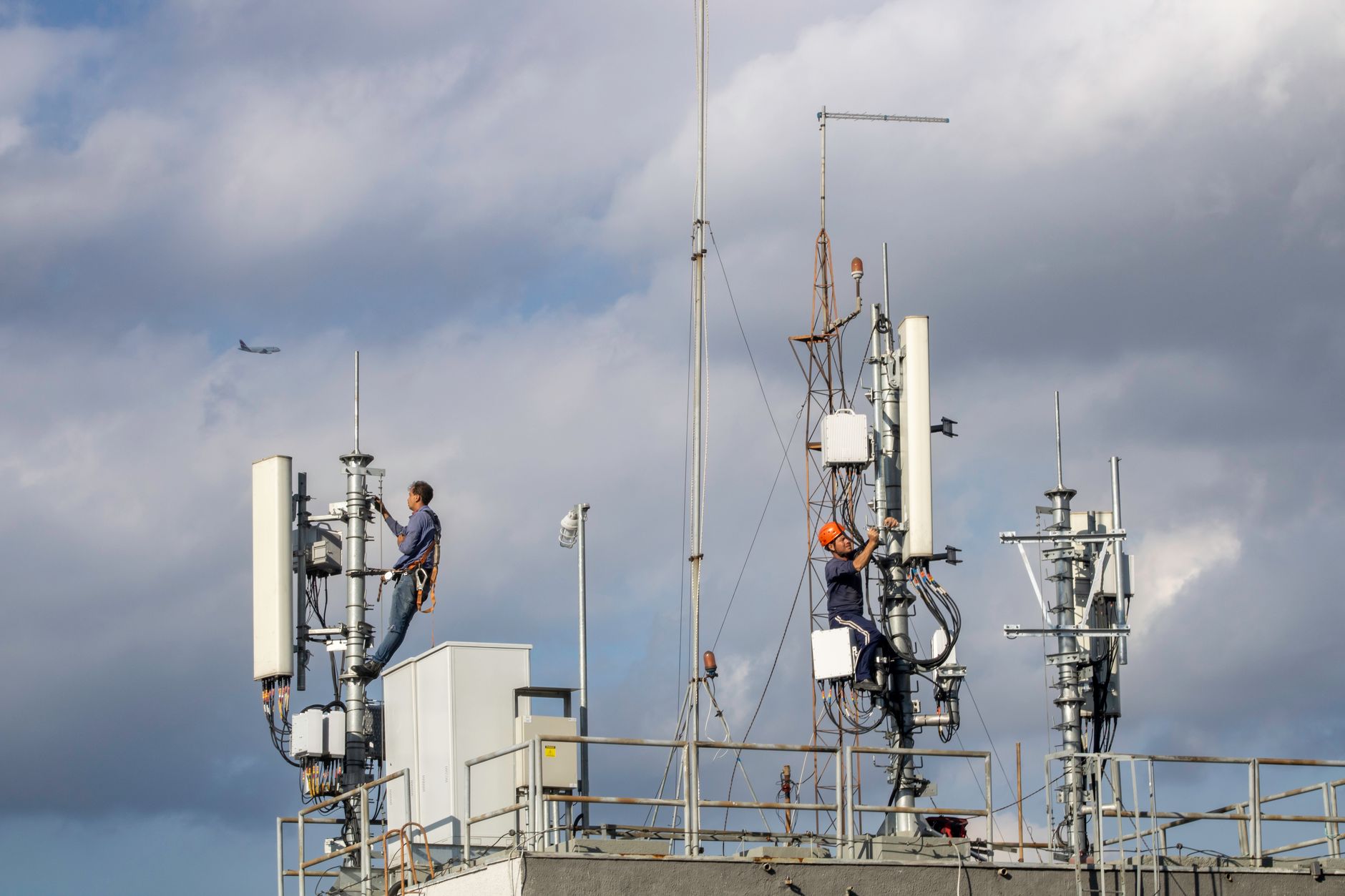
Tracker.AI is the command layer. It pulls feeds from Dedrone’s RF sensors, third-party radar, and cameras, then merges everything into one track list so an operator sees a single icon per aircraft instead of four separate alarms. The software identifies drone make and model from the radio protocol, decodes Remote ID broadcasts when they are switched on, and can task a PTZ camera to follow the target. It runs on a local server or in the cloud and pushes alerts to phones, email, and existing security dashboards.
The sensor lineup is what makes the platform flexible. Dedrone rates the RF-300 at up to 5 km against common control links in open terrain, while the smaller RF-160 covers shorter distances and fills gaps around individual buildings. Add a thermal camera and the picture survives a foggy morning or a moonless night, using the same kind of 640x512 sensors we cover in our best thermal drones guide. Those ranges assume ideal line of sight. A 5 km claim in a dense downtown can shrink to 1 km fast.
What Tracker.AI will not do is stop anything. There is no jammer in the box. When the alert fires, a human decides what happens next, which means you need a written response plan before you buy. Sites that skip that step end up with expensive notifications and confused guards.
Key strengths:
- ✅ Fuses RF, radar, and camera feeds into one track instead of four separate alarms
- ✅ Identifies drone make and model from the control link, not just something is flying
- ✅ Decodes Remote ID and can slew a PTZ camera onto the target automatically
- ✅ Scales from a single sensor on one building to city-wide installs
- ✅ Integrates with existing video management and access control systems
- ❌ Detection only, so you still need a response plan and staff to execute it
- ❌ Vendor range figures assume clear line of sight and drop hard in urban clutter
- ❌ Quote-based pricing and installation costs put it out of reach for small businesses
Who it’s for: Airports, prisons, stadiums, and corporate campuses that need round-the-clock awareness of what is flying over the fence.
2. DedroneDefender and DedroneTactical , Best for agencies that can legally take a drone down
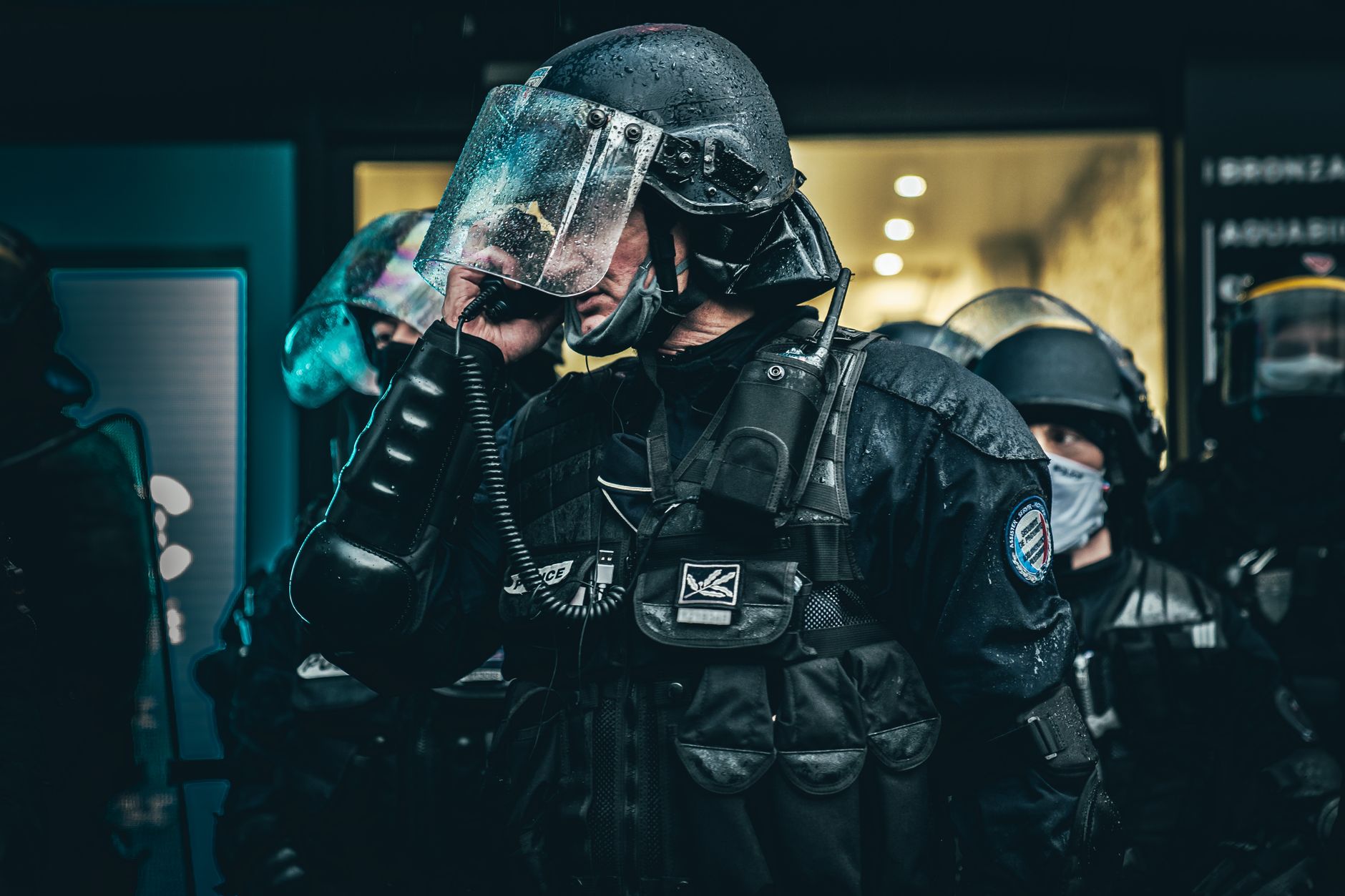
Defender is Dedrone’s mitigation product. It is a radio frequency jammer that cuts the link between a drone and its operator and can also block GNSS, which forces most consumer quads to hover, land, or fly home. Range runs to roughly a kilometer against typical quadcopters, and the unit mounts on a fixed mast or a vehicle. Tactical packages the same capability into a ruggedized man-portable kit with its own detection sensors, so a team can set up on a rooftop or the bed of a truck in minutes.
Legality is the part buyers underestimate. In the United States, a private company cannot jam, spoof, or capture a drone in flight, no matter how many times it buzzes a warehouse roof. That authority sits with a small set of federal agencies, and interfering with an aircraft is treated as a serious matter. The FAA’s drone rules cover registration and Remote ID for pilots, and the mitigation side is even tighter. Canada runs its own version of this, explained in our Canadian drone laws guide, and it does not hand jamming rights to private security either.
Where Defender and Tactical get used legally, they work. Military bases, federal prisons, and allied agencies run them alongside Tracker.AI so the detection layer hands a track to the mitigation layer and an operator decides whether to engage. Export controls add another stack of paperwork for international buyers.
Key strengths:
- ✅ Combines detection and mitigation so one team sees and acts on the same track
- ✅ Tactical kit is genuinely man-portable and deploys in minutes from a vehicle
- ✅ Disrupts the control links and GNSS that most consumer drones depend on
- ✅ Proven with government and military customers
- ❌ Private companies in the US cannot legally use the jamming function
- ❌ Jamming can knock out GPS and Wi-Fi you actually need, including your own gear
- ❌ Export controls and end-user paperwork slow international orders
Who it’s for: Federal agencies, military units, and allied government buyers that hold both the legal authority and the trained operators to use mitigation.
3. DroneShield , Best for handheld and vehicle-mounted counter-UAS
DroneShield is the closest thing to a direct competitor for Dedrone’s tactical business. The Australian company sells RfPatrol, a wearable RF detector that weighs about a kilogram and flags nearby control links at roughly a kilometer, plus DroneGun Mk4, a rifle-shaped handheld jammer that defense and police units carry. DroneSentry-X puts detection and disruption on a vehicle roof for convoy and patrol work.
The appeal is portability and honesty about specs. A security team that only needs to know when something is overhead can buy a detection-only device and never touch the jamming rules. DroneShield also publishes more detail about its detection ranges than most competitors, which makes comparing hardware less of a guessing game.
RF detection has a blind spot that grows every year. A drone flying a preprogrammed route with no radio link, or tethered over fiber optic, emits nothing for these sensors to hear. That is why the company pairs its detectors with radar, and why buyers in active conflict zones spend on FPV airframes that ignore RF entirely. We cover that side in our best FPV drones guide. If your threat model is a guy with a camera drone, RF alone is fine. If it is not, budget for radar too.
Key strengths:
- ✅ RfPatrol is light enough to wear on a vest and runs for hours on a charge
- ✅ Detection-only products let private security firms stay inside the law
- ✅ Vehicle-mounted option covers convoys and mobile patrols
- ✅ Publishes clearer range specs than most competitors
- ❌ RF sensing misses autonomous, preprogrammed, and fiber-tethered drones
- ❌ Handheld jammers still require federal authority in the US
- ❌ Less integrated with building security systems than Dedrone’s software layer
Who it’s for: Police units, event security, and mobile teams that need a detector on a belt or a vehicle roof.
4. Robin Radar Elvira , Best for radar-first detection
Robin Radar builds the radar that many counter-drone installs end up using, whether or not Dedrone’s software sits in front of it. Elvira is a 360-degree X-band radar that tracks small drones out to about 5 km in good conditions, works in rain, fog, and total darkness, and does not care whether the drone is transmitting anything at all. It also sorts birds from quadcopters, which matters when your site sits under a migration route.
The tradeoff is that radar tells you where and how fast, not who. You get a track with no make, no model, no serial number, and no Remote ID, so a radar-only site cannot tell a Phantom from a homemade fixed-wing. Most buyers pair it with RF sensors and cameras to fill that gap, which is exactly the way Dedrone’s platform wants to be fed.
Installation needs care. Radar wants height, a clear horizon, and a mounting point away from spinning HVAC units and rotating machinery. Do that work properly and a single Elvira covers ground that would take half a dozen RF sensors. Skip it and you get constant false alerts plus an operator who stops trusting the screen.
Key strengths:
- ✅ Detects drones that emit nothing, including preprogrammed and fiber-tethered models
- ✅ Works at night and in weather that blinds cameras
- ✅ Sorts birds from drones, which cuts false alarms
- ✅ One radar covers ground that would take several RF sensors
- ❌ No make, model, or Remote ID data, so it cannot identify the aircraft
- ❌ Needs an elevated, clear mounting site and careful calibration
- ❌ Costs more than an RF-only setup of similar coverage
Who it’s for: Airports, ports, and critical sites where drones may fly with no radio link or where weather kills camera coverage.
5. Fortem Technologies , Best for capturing drones instead of jamming them
Fortem takes the opposite approach to jamming. Its TrueView radar finds and tracks a target, then the DroneHunter F700, an autonomous quadcopter, flies out and fires a net to snag it. SkyDome ties the radar and the interceptor together. Nothing gets jammed, nothing drops out of the sky uncontrolled, and the captured drone floats down under a parachute as evidence.
For sites where a falling drone is a real hazard, that difference matters. Jamming over a crowd or a fuel farm is a bad idea. Politically, a net capture also plays better than a jammer that kills the neighborhood’s GPS for ten minutes. Fortem sells mainly to defense, border, and government customers, and the interceptor is serious aviation hardware that needs trained crews and maintenance.
Cost and complexity are the honest downsides. You are buying an aircraft, spare nets, a radar, and a service program, not a box you bolt to a wall. Small security teams will find Dedrone’s detection layer cheaper and easier to run, even after they add cameras and staff hours to the total.
Key strengths:
- ✅ Physically captures the drone, preserving it as evidence
- ✅ No jamming, so no collateral GPS or Wi-Fi interference
- ✅ Radar-based tracking works against silent and autonomous aircraft
- ✅ DroneHunter lands the target under a parachute instead of dropping it
- ❌ Very high cost compared with detection-only platforms
- ❌ Needs trained operators and ongoing maintenance for the interceptor
- ❌ Net capture is a poor fit in dense airspace or near helicopters
Who it’s for: Defense, border, and government agencies that need a drone down intact without blanketing an area in RF noise.
Frequently Asked Questions
What does Dedrone actually do?
Dedrone builds airspace security systems that detect and identify small drones. Its software fuses radio frequency sensors, radar, and cameras into a single track list, then alerts security staff. The company also sells jamming hardware, but that part is limited to government users.
Can a private company use Dedrone to jam a drone over its own property?
No. In the United States, jamming or capturing an aircraft in flight is reserved for a small set of federal agencies. A private business can detect and report a drone, and it can call law enforcement, but it cannot legally take the aircraft down itself.
How far can Dedrone detect a drone?
Dedrone rates its RF-300 sensor at up to 5 km against common control links in open terrain. Real installations see far less, often 1 to 2 km, once buildings, trees, and hills block the signal. Adding radar extends coverage at a much higher cost.
Will Dedrone detect a DJI Mini 4 Pro?
Yes. The Mini 4 Pro weighs 249 g, so recreational pilots do not have to register it, but it still transmits a control link. Dedrone’s sensors fingerprint DJI’s OcuSync protocol and can identify the model from the signal alone.
Is Dedrone sold to consumers?
No. Dedrone sells to airports, prisons, stadiums, corporations, and government agencies through a quote process. There is no consumer product, no phone app, and no published retail price.
Do I need a Part 107 certificate to fly where counter-drone systems are watching?
Part 107 applies to any flight that is not purely recreational, no matter who is watching the sky. Flying for a client, a newsroom, or a property inspection all require the certificate. Recreational pilots take the free TRUST test instead.
Do counter-drone systems work the same way in Canada?
Transport Canada regulates both drone operators and anyone who interferes with an aircraft, and private jamming is not authorized. Detection and reporting are the realistic options for Canadian businesses and venues.
What Should You Remember?
- Dedrone is detection, not a drone. Tracker.AI fuses RF, radar, and camera feeds but cannot stop an aircraft on its own.
- Mitigation is a legal minefield. In the US, only certain federal agencies may jam or capture a drone in flight.
- RF sensors are cheap and limited. They identify make and model but miss drones flying with no radio link at all.
- Radar fills that blind spot. Robin Radar’s Elvira sees silent and autonomous aircraft but cannot identify them.
- Expect quote-only pricing. Not one vendor in this comparison publishes a retail price for a full system.
- Range claims are best case. A 5 km sensor figure assumes open terrain, height, and a clean horizon.
- If you fly DJI, you are already visible. OcuSync and Lightbridge links get fingerprinted, down to a 249 g Mini 4 Pro.
This article is for general information only. Drone regulations vary by region and change frequently , always verify current local laws and airspace rules before flying.