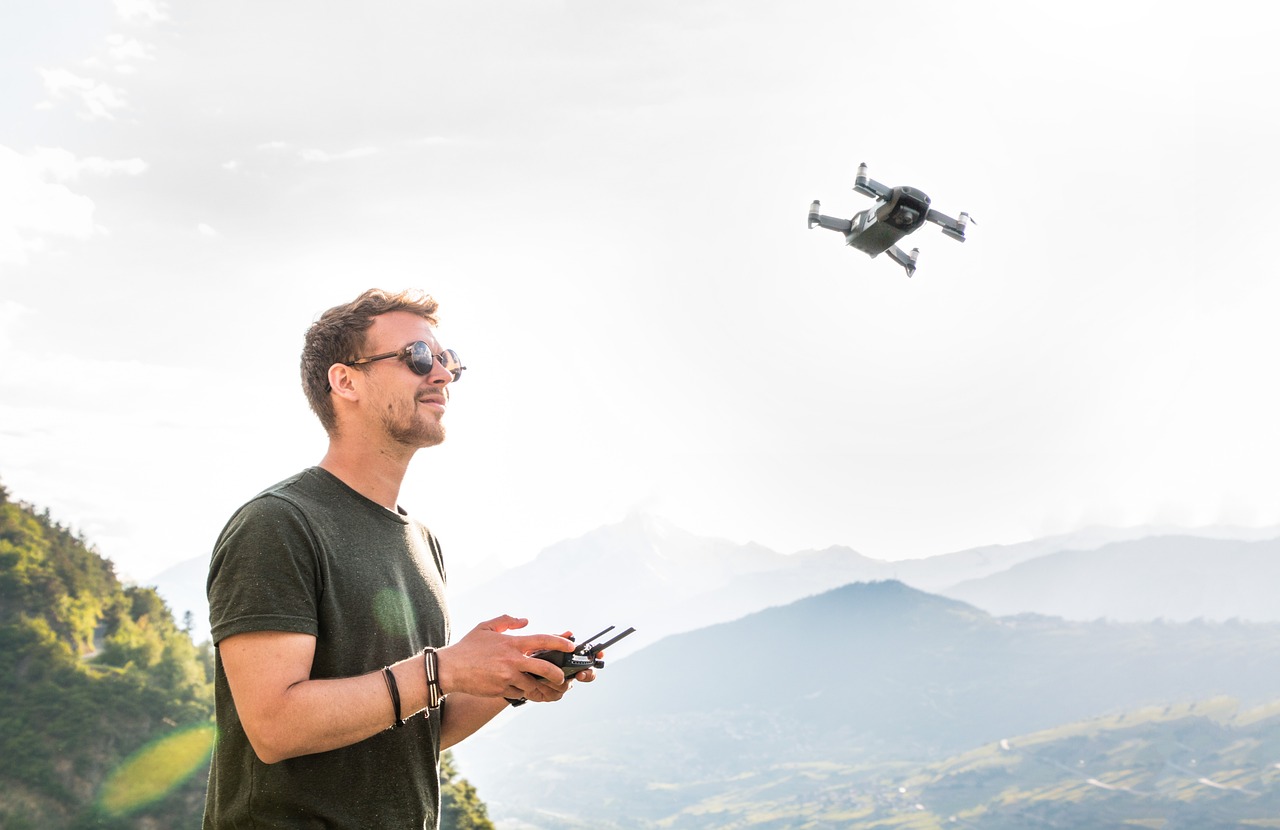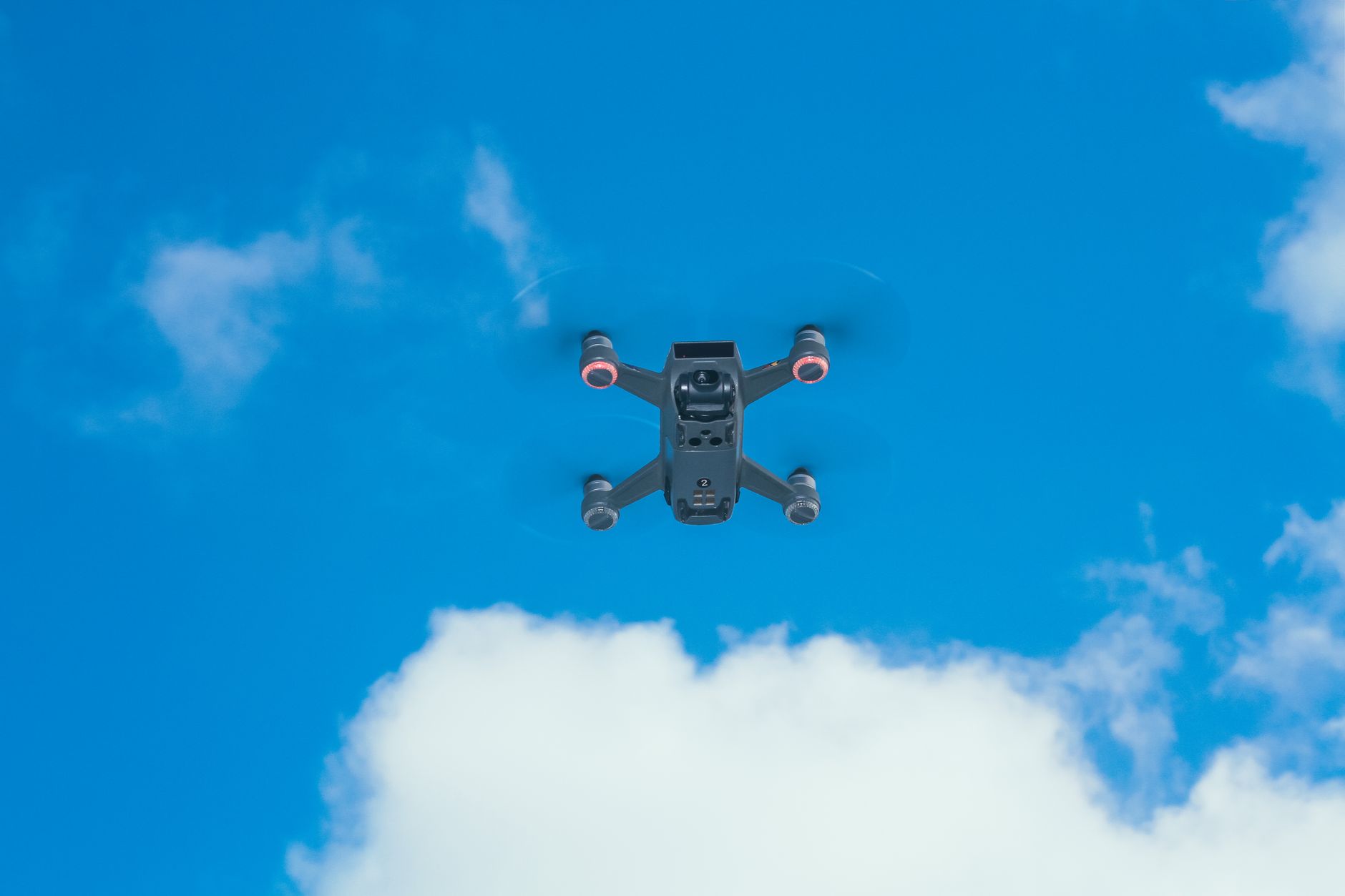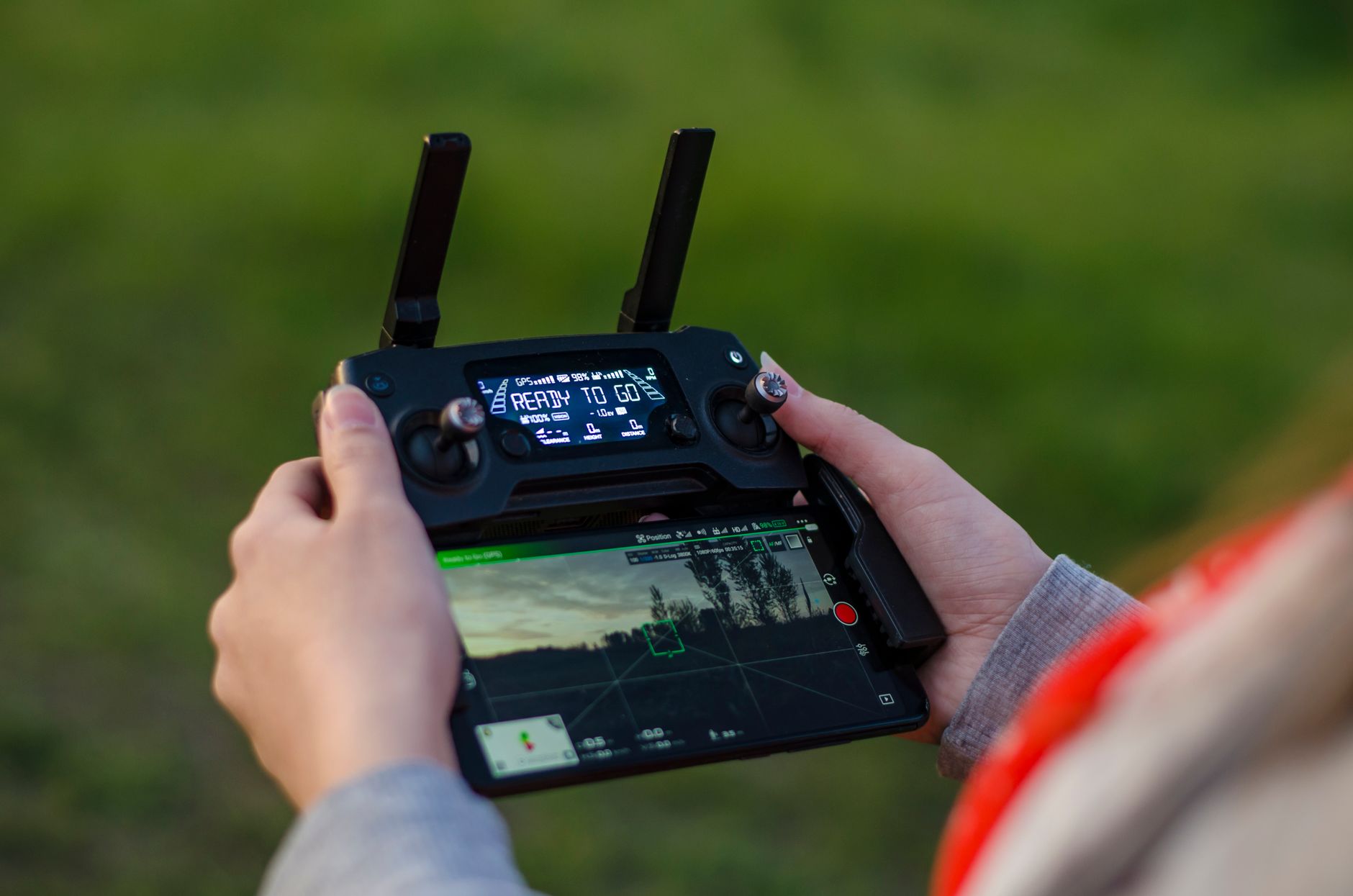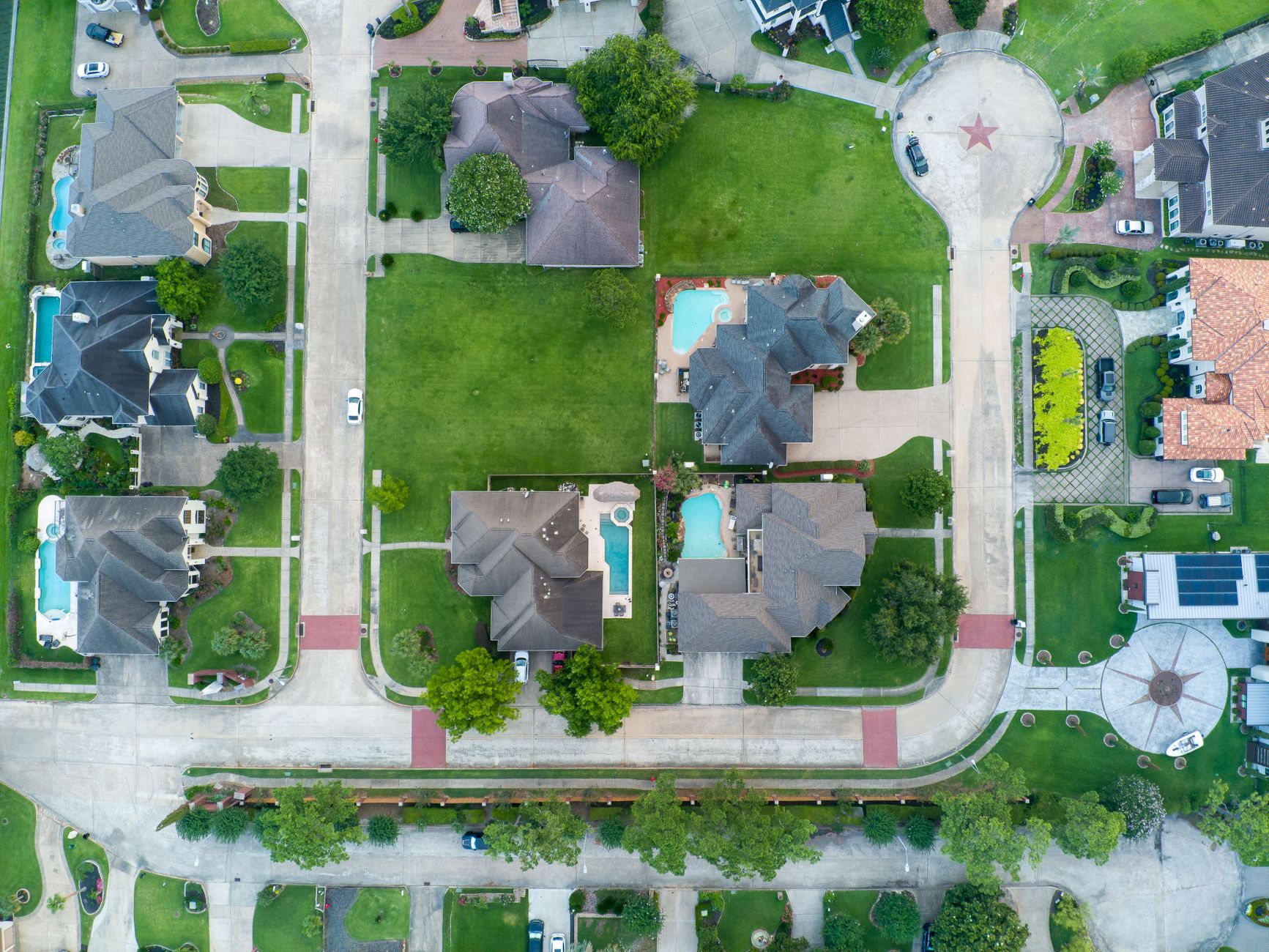
Real estate marketing now depends on aerial imagery. Buyers expect to see roof conditions, lot lines, and the neighborhood from above. A drone does that faster than a ladder or a camera crane. If you are an agent, photographer, or investor, the right drone pays for itself after a few shoots. The FAA’s drone rules still require Part 107 certification for any commercial work in the United States. That includes listing photos and videos taken for a fee. Before spending money, check our drone laws in the USA and how to get your drone license. This guide cuts through the noise.
Flight time and sensor size decide whether you can cover a four-bedroom house plus a half-acre lot on one battery. A drone that flies 34 minutes lets you shoot exteriors, orbitals, and a few interior push-ins without landing. A 1-inch sensor or larger holds highlights in windows and texture in shadow. In Canada, Transport Canada sets similar commercial rules. Review drone laws in Canada before flying there. The FAA TRUST test only applies to recreational flights. Real estate work is commercial, so Part 107 is the path. I have shot listings with a 20 MP camera and struggled at dusk. A larger sensor changes that.
I evaluated five drones based on image quality, flight time, wind handling, obstacle avoidance, and total cost. I did not include heavy cinema rigs because they are overkill for most listing shoots. I looked at drones that can produce both high-resolution stills and smooth 4K video. I also factored in how easy they are to fly after two weeks of practice. For accessories like extra batteries and ND filters, see our best drone accessories roundup. If you are new to this, start with a used DJI Mini and practice in an open field. Real estate clients will not wait while you fumble with settings.
By 2026, every serious listing needs video. Static photos no longer carry a premium property. A drone that shoots vertical 4K for social clips and HDR for window views gives you more deliverables. The options below cover $500 to $2,500 budgets. Some are small enough to throw in a backpack. Others are heavier and hold position better in wind. All of them can create work that a client will pay for. You do not need a cinema camera on a heavy lift rig. You need fast setup, reliable video, and clean photos. Read the whole comparison before you buy, because the wrong choice will cost you time on site.
How Do the Top Options Compare?
| Drone | Best For | Camera Sensor | Flight Time | Weight | Price (USD) |
|---|---|---|---|---|---|
| DJI Mavic 3 Pro | High-end listing photos and video | 4/3 CMOS, 20 MP | 43 min | 958 g | $2,199 |
| DJI Air 3S | Best value for photos and video | 1-inch CMOS, 50 MP | 45 min | 724 g | $1,099 |
| DJI Mini 5 Pro | Lightweight daytime shoots | 1/1.3-inch CMOS, 48 MP | 34 min | 249 g | $759 |
| Autel Evo Lite+ | Non-DJI pick with aperture control | 1-inch CMOS, 20 MP | 40 min | 835 g | $1,099 |
| DJI Mavic 3 Classic | Budget 4/3 sensor | 4/3 CMOS, 20 MP | 46 min | 895 g | $1,599 |
Prices are approximate street prices as of early 2026. Flight times are manufacturer ratings in ideal conditions. Real-world flight time is usually 20 to 25 percent less.
1. DJI Mavic 3 Pro , Best for High-End Listing Photos and Video
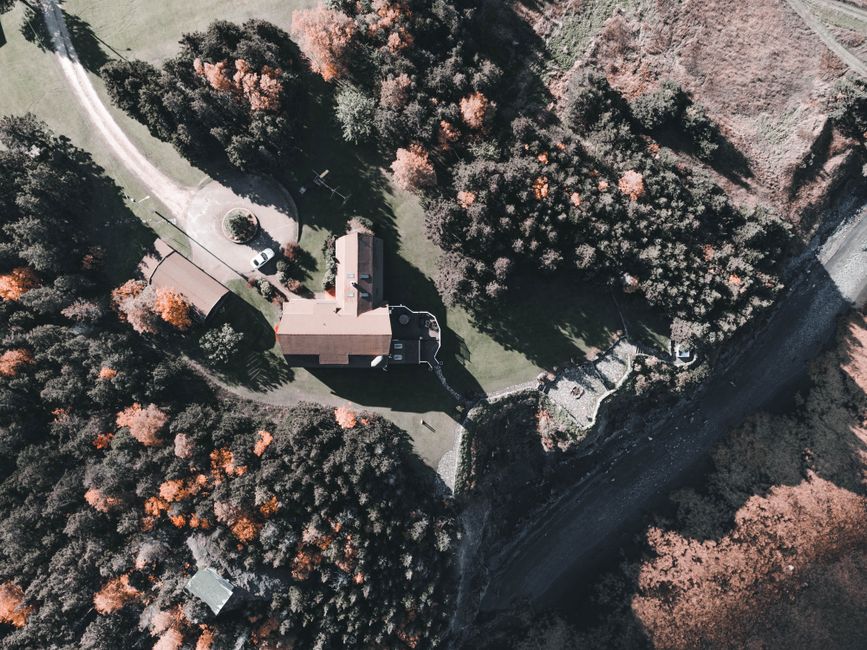
The Mavic 3 Pro carries a 4/3 CMOS Hasselblad camera that captures 20 MP stills with real dynamic range. For real estate, that means bright windows do not blow out and shaded porches keep detail. It also packs a 70mm medium tele camera and a 166mm tele camera. You can shoot roof inspections and architectural details without getting close. The triple camera setup gives you three perspectives from one position. That saves time when a seller wants both wide and detail shots of the same elevation.
Flight time reaches 43 minutes on one battery. Weight is 958 grams, so you must register it with the FAA and fly under Part 107 for paid work. The extra mass helps in 15 mph wind, so you can keep a straight orbit around a house. Omnidirectional obstacle avoidance makes a huge difference when you fly sideways between trees or near power lines. The gimbal locks steady in flight, and the 5.1K video gives you crop room for vertical edits.
For agents who shoot luxury listings, the Mavic 3 Pro earns its price. The downside is cost. At $2,199, it is not a starter drone. But if you already have commercial work, the image quality pays for itself in one or two high-end listings. Check the DJI Mavic 3 Pro on Amazon.
Key strengths:
- ✅ 4/3 sensor handles high contrast interiors and exteriors
- ✅ 43-minute flight time reduces battery swaps
- ✅ Triple camera covers wide, medium, and tele shots
- ✅ Stable in wind above 15 mph
- ✅ 5.1K video with 10-bit D-Log M color
- ❌ Price above $2,000 is steep for new agents
- ❌ 958 grams requires FAA registration and Part 107
- ❌ Larger case needed for transport
Who it’s for: Agents and professional photographers who want the best image quality and can justify the price.
2. DJI Air 3S , Best All-Around Value
The Air 3S uses a 1-inch CMOS primary camera with 50 MP stills. It also adds a 70mm medium tele camera. That dual camera setup lets you shoot a wide front elevation and then punch in on the front door without moving the drone. For real estate agents who shoot both photos and video, it is the best value in 2026.
It flies 45 minutes on a single battery and weighs 724 grams. You still need Part 107 for commercial listings in the US. The extra weight over Mini drones helps it hold position in gusty conditions, but it is still small enough for a camera backpack. The 4K 60fps HDR video reads well on social media. The 10-bit D-Log M lets you pull clean colors in post.
One honest limitation: the tele camera has a smaller sensor, so low light on the 70mm lens is not as clean as the main camera. The main camera also has a fixed aperture. That means you cannot stop down for deep depth of field on bright exteriors. Still, for most listing work, the Air 3S covers everything you need. Check the DJI Air 3S on Amazon.
Key strengths:
- ✅ 1-inch main sensor captures 50 MP stills
- ✅ 45-minute flight time
- ✅ Dual cameras cover wide and medium shots
- ✅ Stable in moderate wind
- ✅ Excellent HDR video at 4K 60fps
- ❌ Tele lens uses a smaller sensor, weaker in low light
- ❌ 724 grams requires registration
- ❌ Fixed aperture limits exposure control
Who it’s for: Real estate agents and creators who want professional results without spending over $1,500.
3. DJI Mini 5 Pro , Best Lightweight and Travel Drone
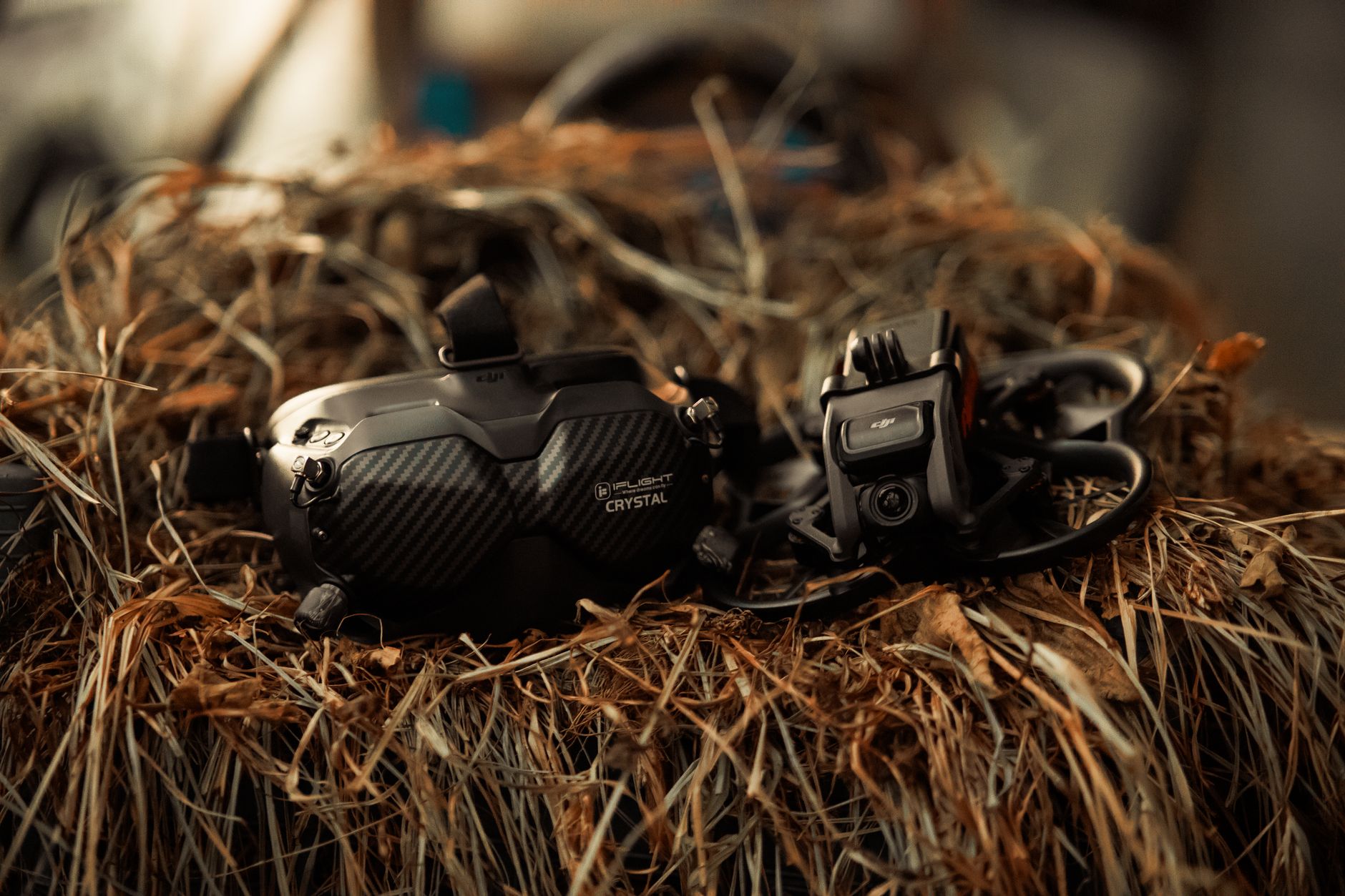
The Mini 5 Pro weighs 249 grams, just under the FAA registration threshold for recreational flights. But if you use it for real estate, commercial rules still apply. You need Part 107. The drone itself is portable enough to fit in a small bag. You can bring it to a showing and fly in minutes.
Its 1/1.3-inch sensor delivers 48 MP stills and 4K 60fps HDR video. Flight time is 34 minutes. In bright daylight, image quality is close to larger drones. In twilight or dim interiors, the smaller sensor shows noise sooner. Read our DJI Mini 5 Pro review for test footage and high ISO samples.
For agents who shoot mostly daytime exteriors, this is the most practical option. It also has obstacle avoidance, which helps beginners. The Mini 5 Pro is quiet, and its small size makes clients less nervous than a large drone buzzing overhead. You give up low light performance, but you gain speed and portability. Check the DJI Mini 5 Pro on Amazon.
Key strengths:
- ✅ 249 grams, easy to carry
- ✅ 34-minute flight time
- ✅ 48 MP stills with 4K HDR video
- ✅ Quiet operation
- ✅ Obstacle avoidance in a small body
- ❌ 1/1.3-inch sensor struggles in low light
- ❌ Fixed aperture reduces exposure control
- ❌ Shorter battery life than Air 3S
Who it’s for: Agents who value portability and shoot mostly daytime listings.
4. Autel Evo Lite+ , Best Non-DJI Option
Autel’s Evo Lite+ pairs a 1-inch CMOS sensor with an adjustable aperture from f/2.8 to f/11. That aperture control matters when light changes during a shoot. You can stop down for sharp exterior wall details or open up for golden hour interiors. It captures 20 MP stills and 6K video.
Flight time is 40 minutes. The drone weighs 835 grams, so it registers and operates under Part 107 in the US. In Canada, follow Transport Canada drone safety rules for commercial operations. The build feels sturdy, and the orange body is easy to spot against trees.
Autel’s obstacle avoidance is good but not as refined as DJI’s. The camera color science is warmer out of the box, which some real estate photographers prefer. It does not have a tele lens, but the 6K video gives you cropping flexibility. If you want to avoid DJI, this is the strongest pick. See our best DJI alternatives 2026 list.
Key strengths:
- ✅ 1-inch sensor with adjustable aperture
- ✅ 40-minute flight time
- ✅ 6K video at 30fps
- ✅ Sturdy build with visible orange body
- ✅ Good color straight from camera
- ❌ No telephoto lens
- ❌ Obstacle avoidance trails DJI
- ❌ Weighs 835 grams, needs registration
Who it’s for: Photographers who want an adjustable aperture and prefer a non-DJI brand.
5. DJI Mavic 3 Classic , Best 4/3 Sensor on a Lower Budget
The Mavic 3 Classic carries the same 4/3 CMOS 20 MP camera as the Mavic 3 Pro, but drops the tele lenses. That cuts the price while keeping image quality. For real estate, the wide lens handles most listing shots: frontal exteriors, backyards, and orbital video.
It flies 46 minutes on a standard battery. Weight is 895 grams. You must register it and operate under Part 107 in the US. The large sensor gives you real low-light performance, so late afternoon and dusk shoots are cleaner than with smaller drones. It records 5.1K video at 50fps.
The gimbal is smooth in wind up to 15 mph. You sacrifice the telephoto reach of the Mavic 3 Pro, but many agents never need it. For photographers already invested in DJI, this is a natural step up. The adjustable aperture from f/2.8 to f/11 adds exposure control that the Air 3S lacks.
Key strengths:
- ✅ 4/3 CMOS sensor for excellent low light
- ✅ 46-minute flight time
- ✅ Cheaper than Mavic 3 Pro
- ✅ 5.1K video with 10-bit color
- ✅ Adjustable aperture from f/2.8 to f/11
- ❌ No tele or medium camera
- ❌ 895 grams requires registration and Part 107
- ❌ Large size not ideal for tight spaces
Who it’s for: Buyers who prioritize the 4/3 sensor and want to save money over the Mavic 3 Pro.
Frequently Asked Questions
Do I need a Part 107 license to shoot real estate photos with a drone?
Yes. In the US, any drone flight that helps sell a property is commercial. You must pass the FAA Part 107 test and carry the certificate.
Can I use a drone under 250 grams for real estate without registration?
In the US, if you fly commercially, you must register any drone used for business, even if it weighs under 250 grams. You also need Part 107.
What is the best camera sensor size for real estate drone photos?
A 1-inch sensor or larger handles bright windows and dark rooms much better than a phone-size sensor. Look for 20 MP or higher for listing photos.
How much flight time do I need for a typical listing shoot?
30 to 45 minutes is enough for a full exterior shoot. You can cover the front, back, roof, and two orbits on one battery with a 40-minute drone.
Is the DJI Mini 5 Pro good enough for real estate video?
Yes, in daylight. Its 48 MP photos and 4K 60fps HDR video are solid. Low light is the main weakness.
Do I need a drone with a telephoto camera?
No. A tele lens helps you shoot roof details and window close-ups from a distance, but a wide camera handles 90 percent of listing work.
What Should You Remember?
- Part 107: Any paid real estate flight in the US requires a commercial drone certificate.
- Sensor size: A 1-inch CMOS or 4/3 sensor handles high contrast windows better than tiny sensors.
- Flight time: 34 to 46 minutes covers a full exterior shoot without battery swaps.
- Weight and registration: Drones over 249 grams need FAA registration, and commercial use always requires registration.
- Telephoto cameras: Useful for roof details, but a wide camera handles most listing shots.
- DJI dominance: The Air 3S offers the best value, while the Mavic 3 Pro leads in image quality.
- Non-DJI option: Autel Evo Lite+ has an adjustable aperture and 6K video.
This article is for general information only. Drone regulations vary by region and change frequently — always verify current local laws and airspace rules before flying.